Losing You, In Translation | 一言难尽
Naming the bruises I didn’t know you left.
Story by Joyce Li
Design by Jessica Chen
刺激
(cì ji), n, v, adj. — To stimulate, provoke, upset or excite. As a noun, “刺” means “spike”; as a verb, it can mean “to stab.” 激 also appears in 激动 (emotional), 激情 (passion) and 感激 (thankful).
In the aftermath, my friends ask me why I stayed. What can I tell them?
That I speak the language of endurance? That patience is in my blood, that blind faith runs through my veins, that I have been taught to survive on it? That my heart had time to break several times before I noticed?
I don’t have answers, just the memories of that long winter when, as a quiet, resolute devotion bloomed like frostbite at my knuckles, I gave myself to you because I didn’t know how else to keep you with me.
对不起
(duì bù qǐ), v. — Sorry. Literally, “unable to face.”
You had been trying to get me to watch New Girl with you for weeks, and I finally caved. You didn’t warn me, though, that the early seasons had a lot of Asian jokes — one in almost every episode. You’d acknowledge each one with a small “I don’t remember that being in there” and a sudden inability to meet my gaze. Thirteen episodes in, you reached your limit with “take that Chinese head out of your Chinese ass, Ming” and said we didn’t have to keep watching if I didn’t want to, though you promised it would get better.
I told you the show didn’t bother me, that the jokes were too absurd to be offensive. I didn’t know what else I could’ve said, when I saw the way you sang along to its theme song and shrieked with laughter at the one-liners you had memorized, when I recognized every little quirk you’d picked up from Jess Day as a child. I understood that, like her, you existed in a world where jokes like these weren’t worth remembering, where their targets never appeared on screen — and my presence threatened to shatter it all.
This show wasn’t made for me, but it made you who you are, and you were sharing it with me. So I kept watching, and every time your eyes flickered away from the screen like momentary static, I accepted your unspoken apology.
酸
(suān), adj. — Sour, sore or something in between: the sting in the bridge of my nose when I know I’m about to cry (鼻酸) or the twinge of hollowness in my chest afterward (心酸).
I learned what Guinness pie was when your mom made it for us. It was delicious and strangely familiar — the beer-infused concoction uses the same cut of meat my dad puts in his signature braised beef stew. He’d made me three thermoses of the stuff when he drove me down to Illinois that fall.
I didn’t want to like your parents. Something bristled in me every time you’d relay what they said about my family, who I’d lied to so I could come meet yours: how terribly sad it was that I couldn’t come out, how willing they’d be to “adopt” me, even, if I’m ever looking for a “white ass family.” Still, when I reached for your hand under the dinner table and your dad said he was glad you’d met me, my heart threw itself against my rib cage like a hungry dog. Just between us: even after you took it back, I couldn’t forget the taste of acceptance pooling behind my teeth, every mouthful a betrayal.
美国
(měi guó), n — America. Literally, beautiful country.
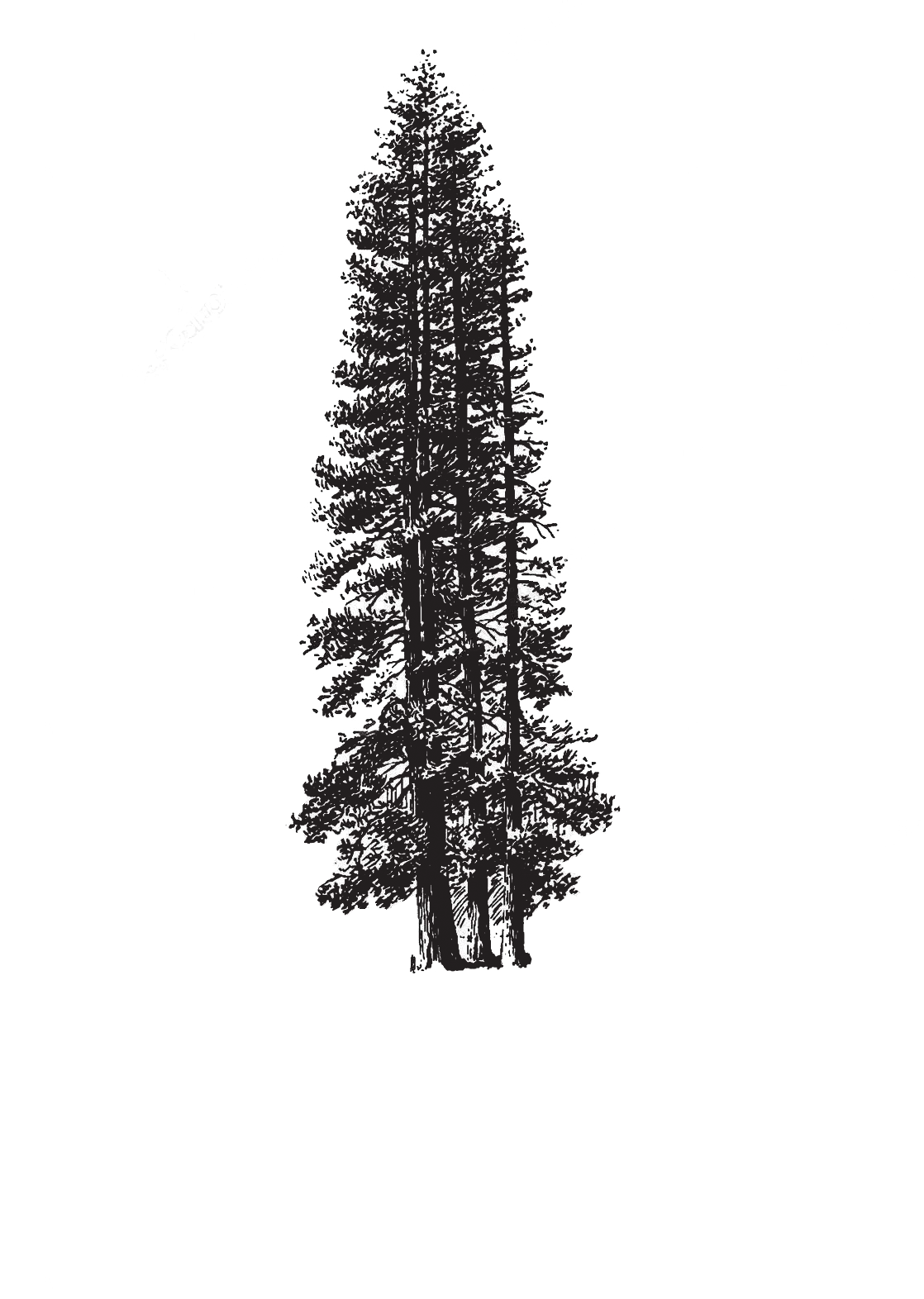
You taught me to love California. The orange trees dotting grassy hills in the horizon, defended valiantly by a “do not pick” sign we later ignored. The cluster of deer who judged us from a distance. The smell of damp soil that would cling stubbornly to my clothes weeks after the rain soaked us to the bone in the redwood grove. The shallow creek bisecting a fern-encircled clearing tucked deep in the forest behind your house, where we snuck out to smoke and share secrets. You were proudest of the stars, which shimmered when it got dark like crushed glass.
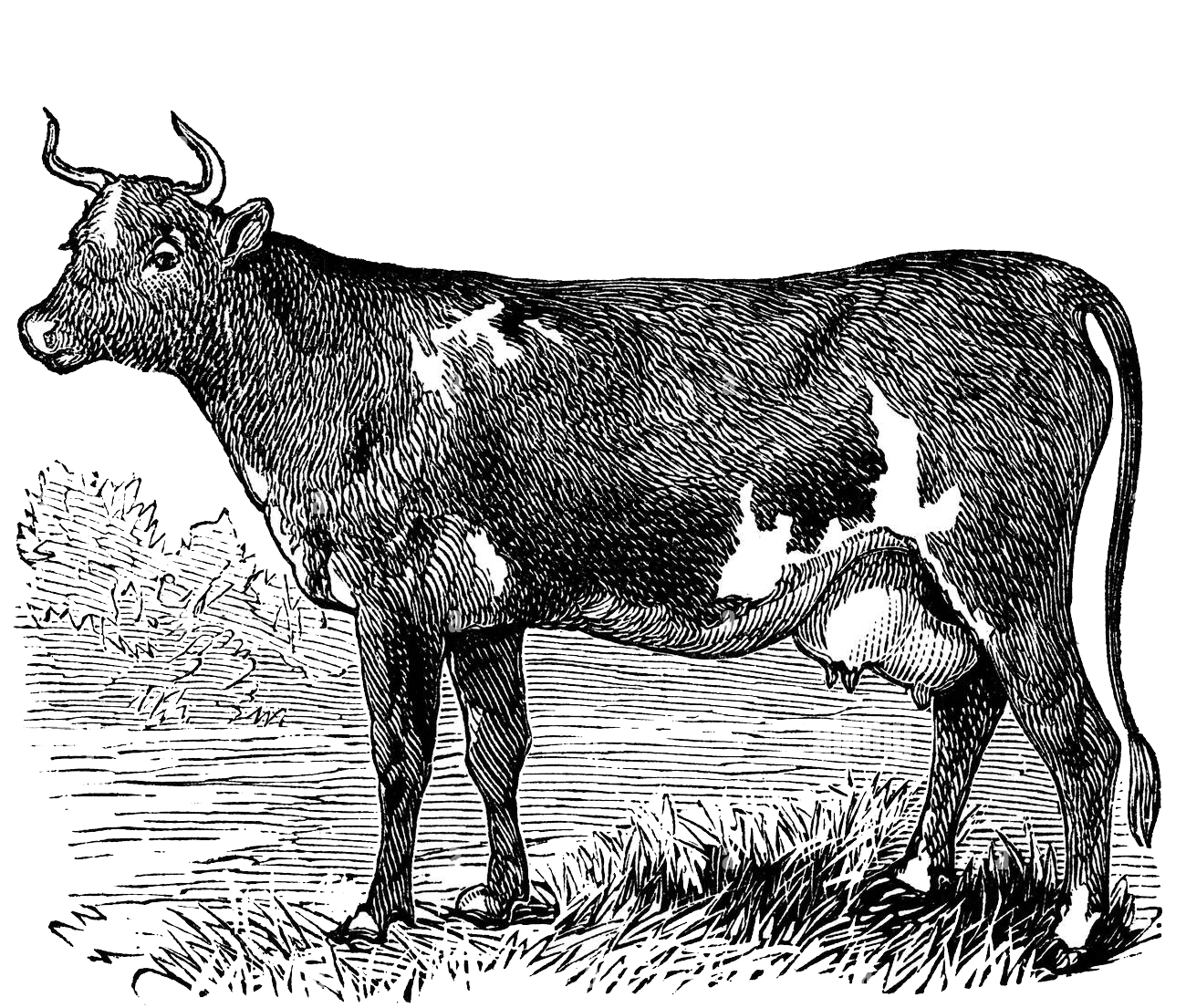
My fascination amused you. You laughed at my little outbursts of “cow!” out the car window every time I spotted the gentle creatures grazing contentedly on the side of the road — an everyday sighting for you. But later you pointed out a house and told me its residents had moved in recently. “It’s so great that we’re getting more diverse,” you said as we drove past what you later told me was one of the only Black families in the neighborhood.
背影
(bèi yǐng), n. — The silhouette of a person from behind. Literally “back-shadow.”
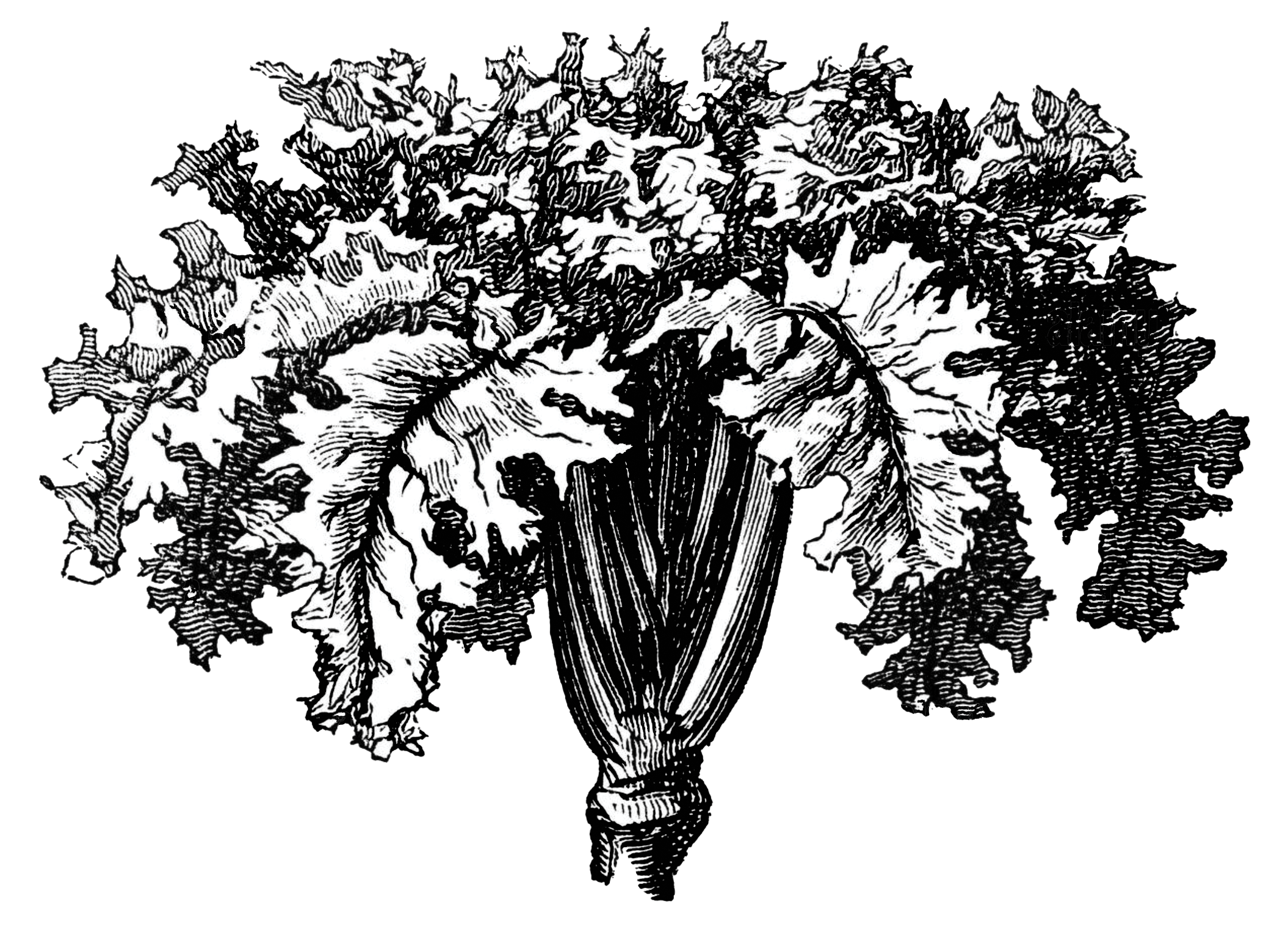
After that, I kept catching myself scanning the sun-bleached storefronts of the diners and artisanal shops of your town for faces that looked like mine. I found just one: a woman in the produce section of the town’s only Whole Foods, studying the neatly arranged rows of kale bundles and heirloom tomatoes like there was something else she was hoping to find.
忍
(rěn), v. — To tolerate. When separated, 刃, the top portion of the character, is “blade.” 心, the bottom portion, is “heart.”
What began as a joke quickly curdled. I stared at my phone, my cursor blinking and blinking beneath your texts as they piled up one by one: I haven’t personally colonized anyone. I’ve been spending a lot of time feeling very shitty about the actions of my ancestors recently, and it feels really gross to be lumped in with them. Go ahead and rag on white people for being colonizers, but I would prefer it if you didn’t rag on me.
I began to type, as calmly as I could, something about how you couldn’t separate your presence and position in this country from the legacy of colonialism. But angrier words welled up in my eyes and threatened to spill, hot and stumbling and urgent — and futile. I knew nothing I could write would make you understand that this was about more than your guilt, that your guilt was a privilege I could never earn, that it afforded you a distance from the weight of a history I could not so easily shed.
I’m sorry I’m not reacting the way you want me to, came your response. I don’t know why I’m reacting like this. I’ve been crying for like 20 minutes.
Later, in your dorm, you explained as if to a child that I had a right to make these jokes but you’re asking me not to, because you wanted to be better than who you came from. I nodded like I understood and tried to make myself feel sorry I made you cry. You put an arm around me and we watched TV and we didn’t talk about it anymore.
But just then, I thought about leaving you. For a second, I was gone.
养伤
(yǎng shāng), v — To heal. Carries the idea that a wound (伤) must be taken care of or raised (养), like a pet or a child.
In the aftermath, new skin grows to cover what is hurting: the small of my back where you used to hold me, the top of my head I would tuck beneath your chin, and the memory of you, always apologizing, though neither of us had the words to explain what for. It was always easier to forgive you than to pry myself away.