
Resculpting the narrative
Taking Asian art out of a Western frame.
STORY BY GRACE SHARMA
DESIGN BY DIANE ZHAO
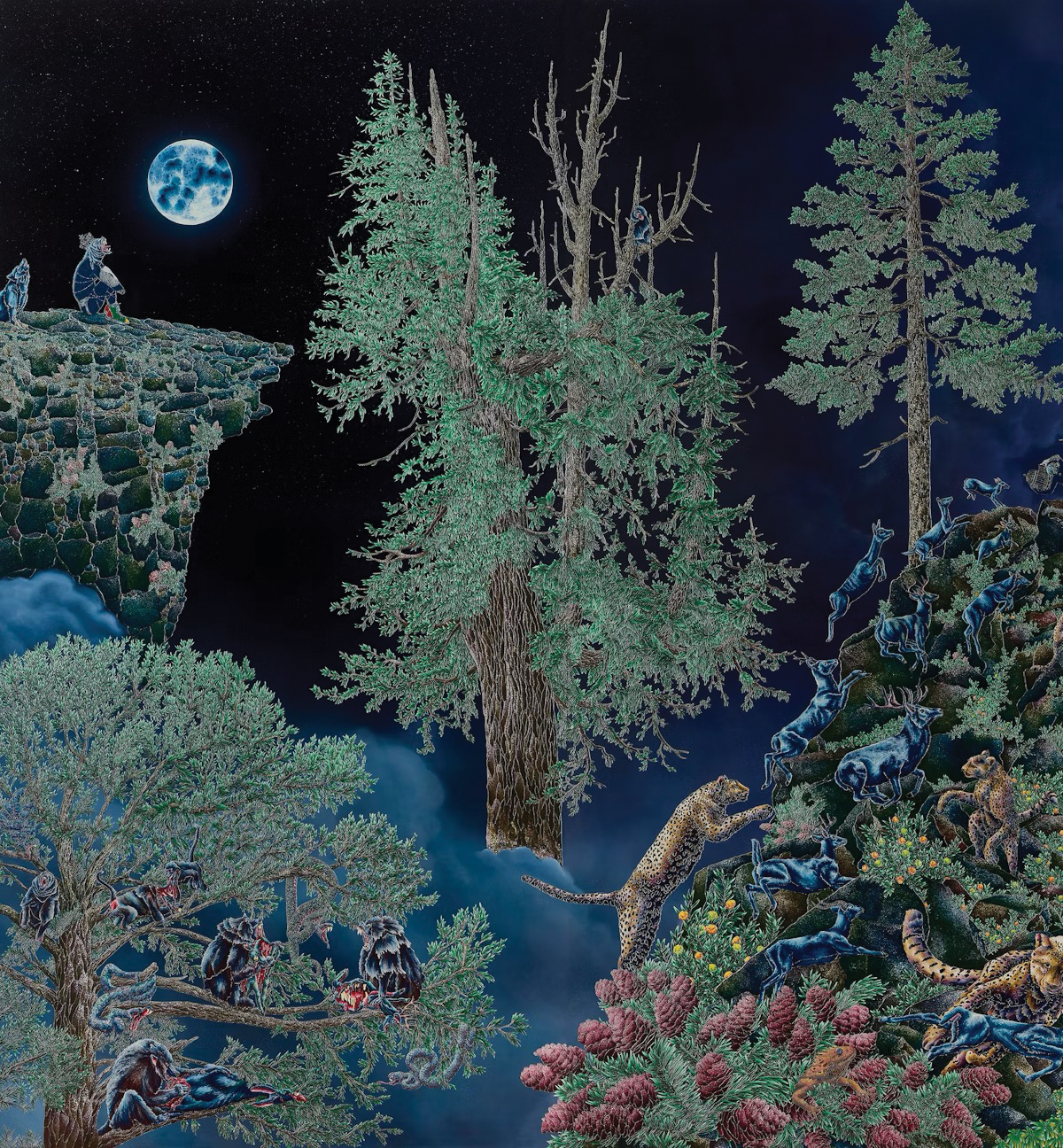
Paradise Lost
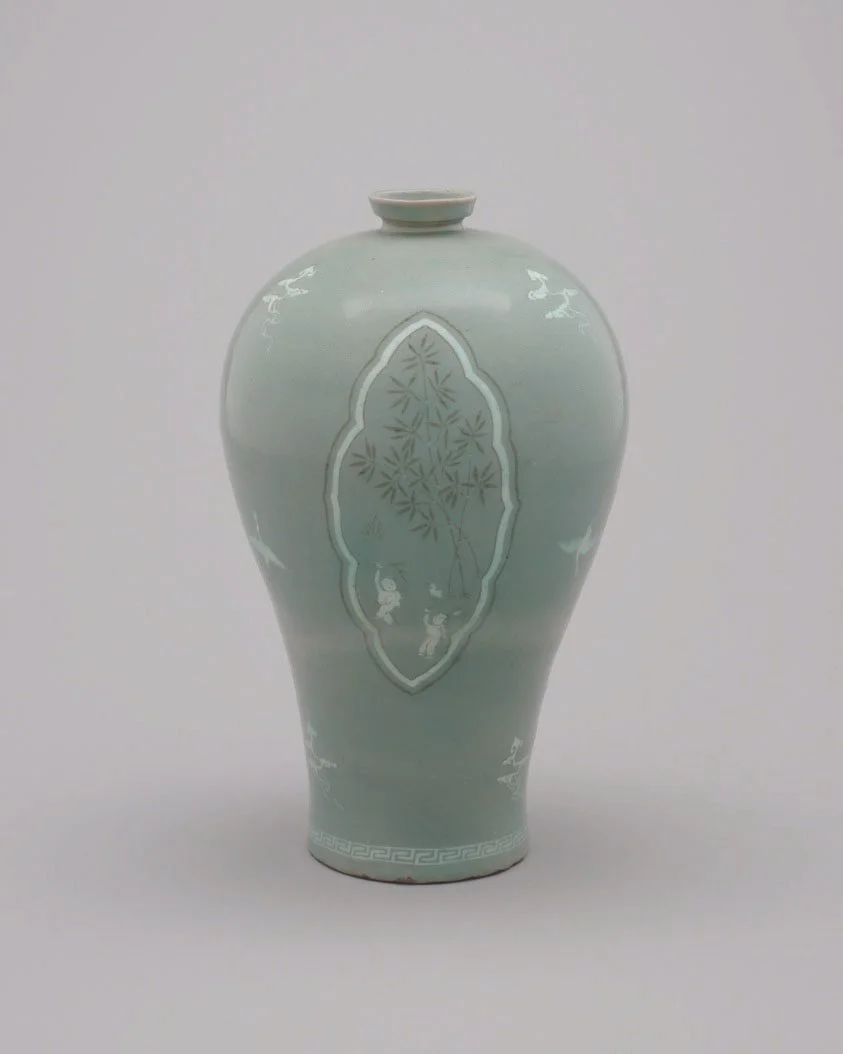
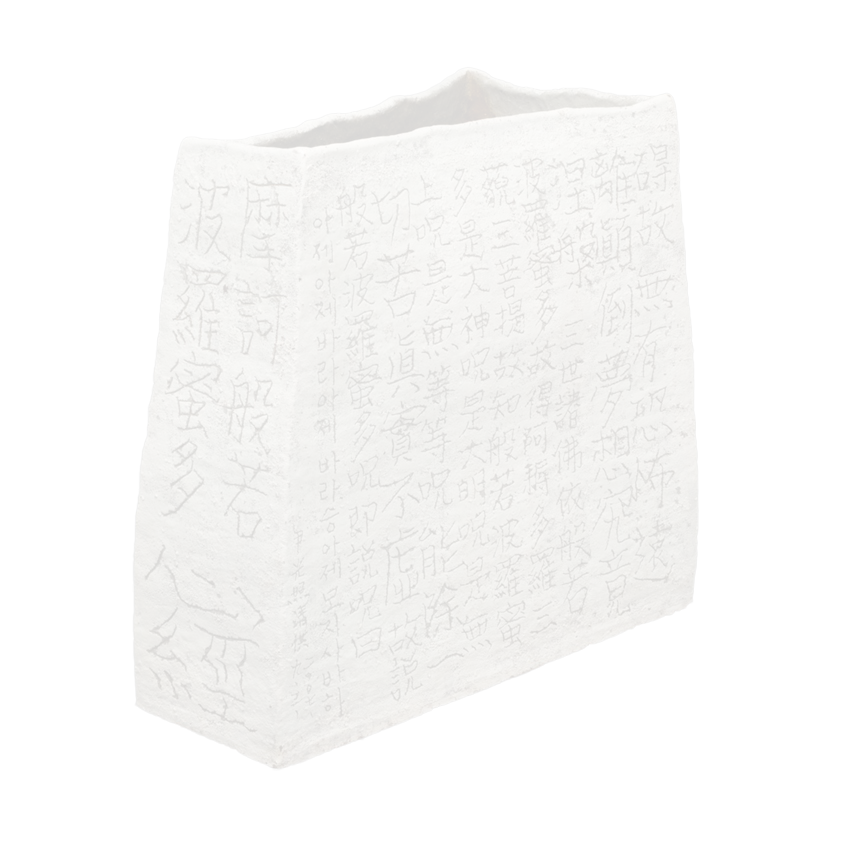
Plum Vase (Maebyeong) with Clouds, Cranes, and Children Motifs
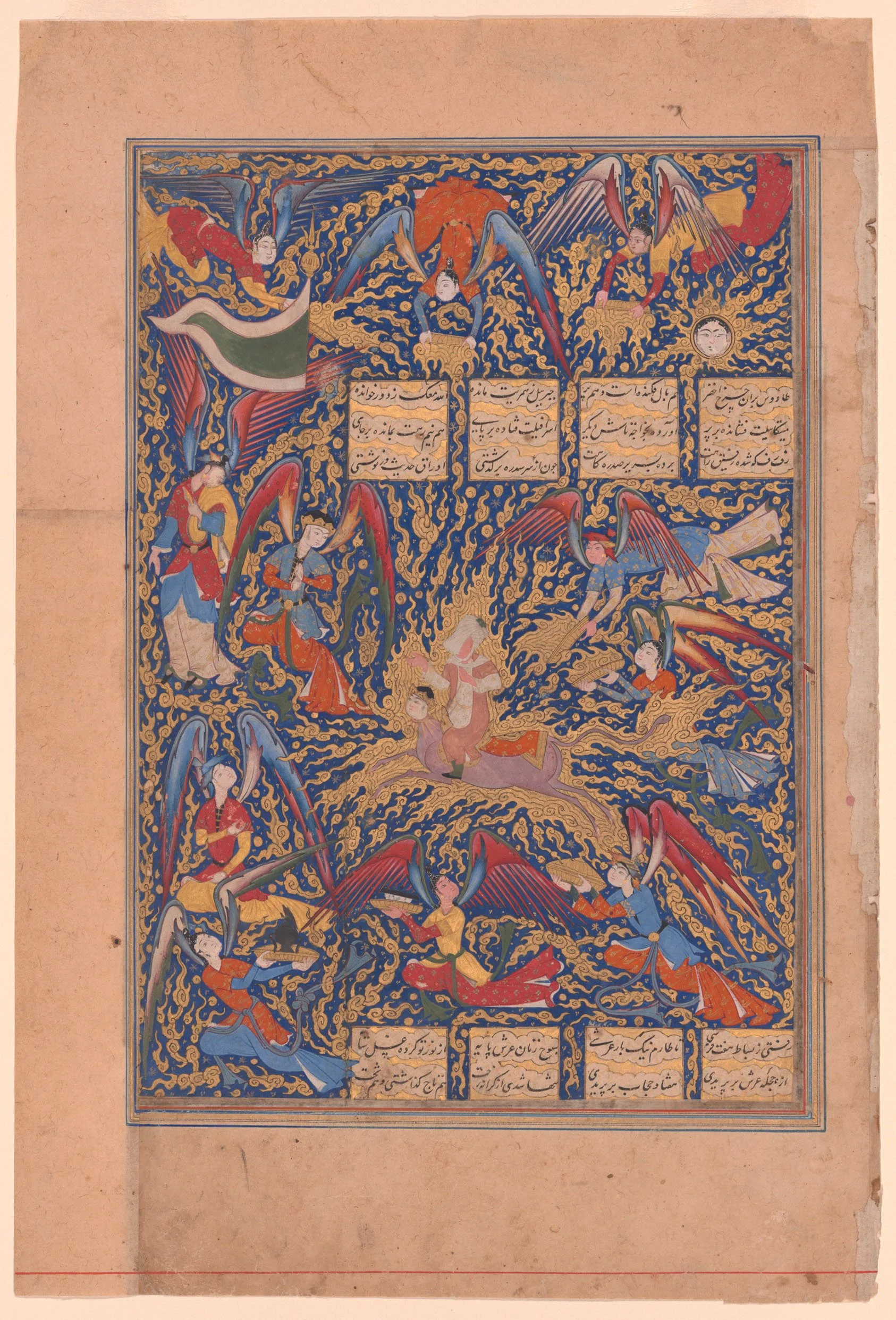
The Ascent of the Prophet to Heaven, Page from the Khamsa of Nizami, Safavid dynasty
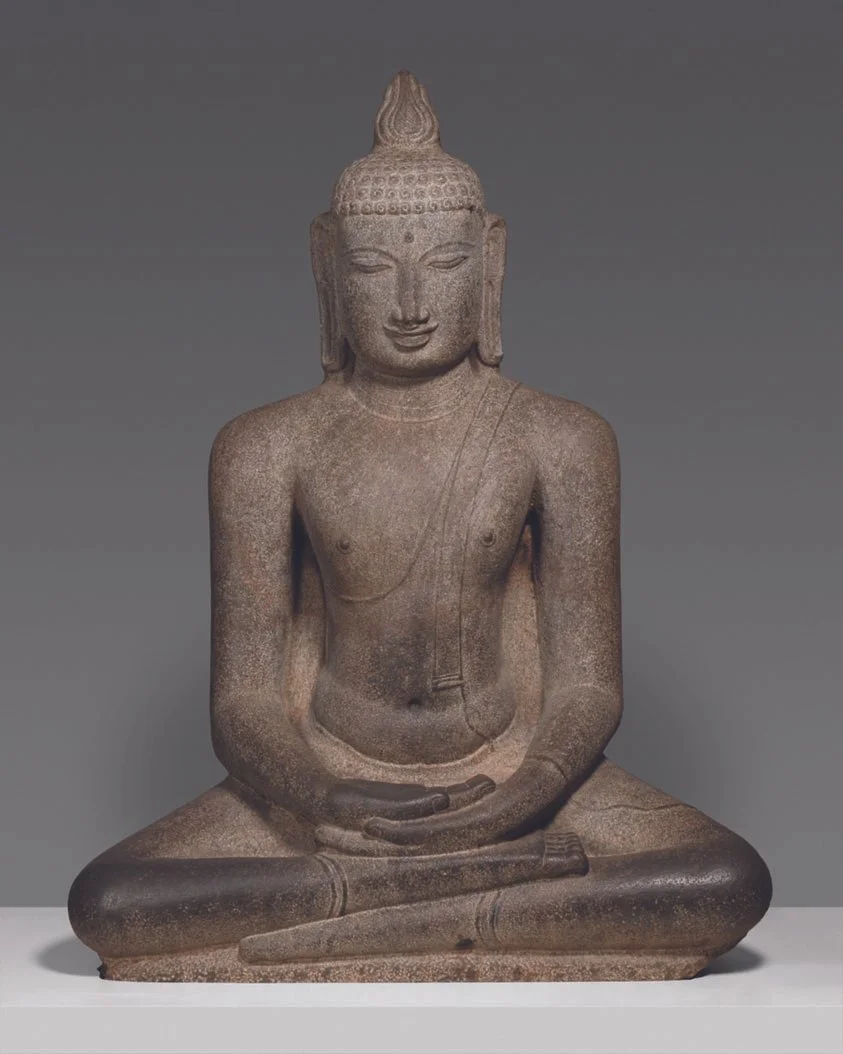
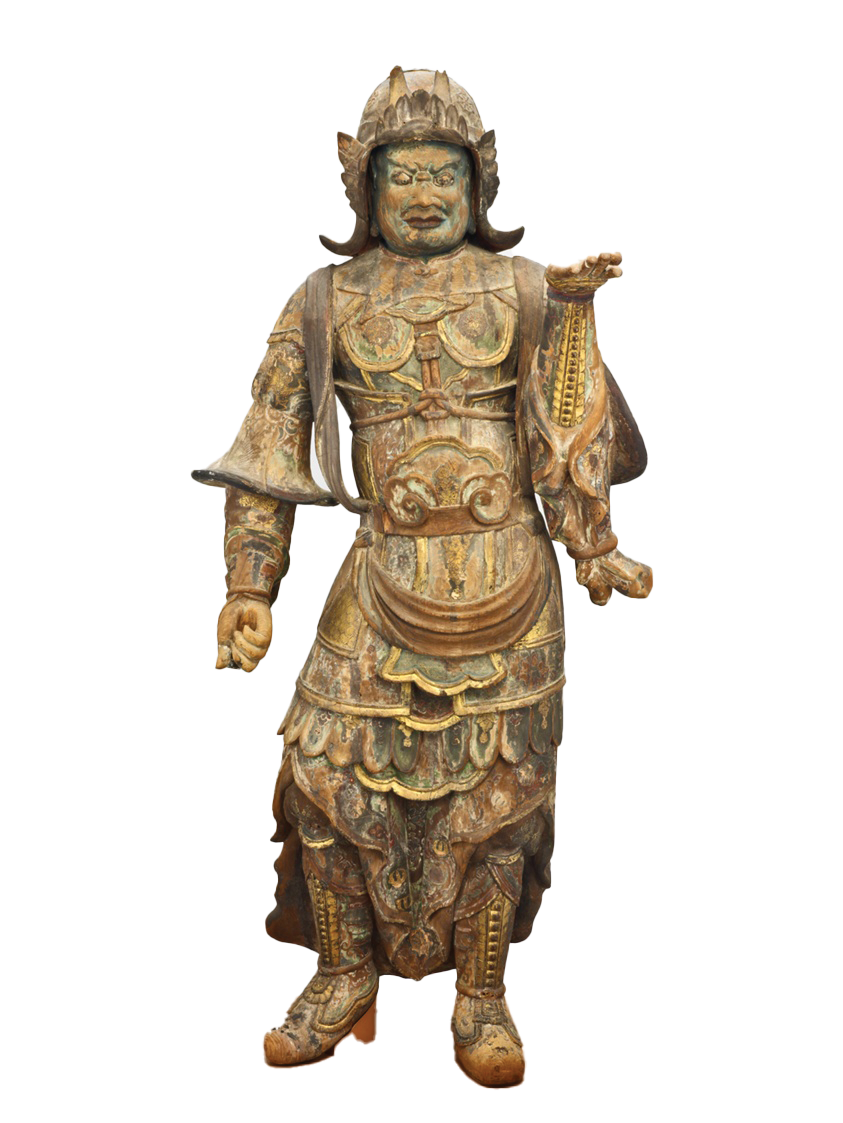
Buddha Shakyamuni Seated in Meditation (Dhyanamudra)
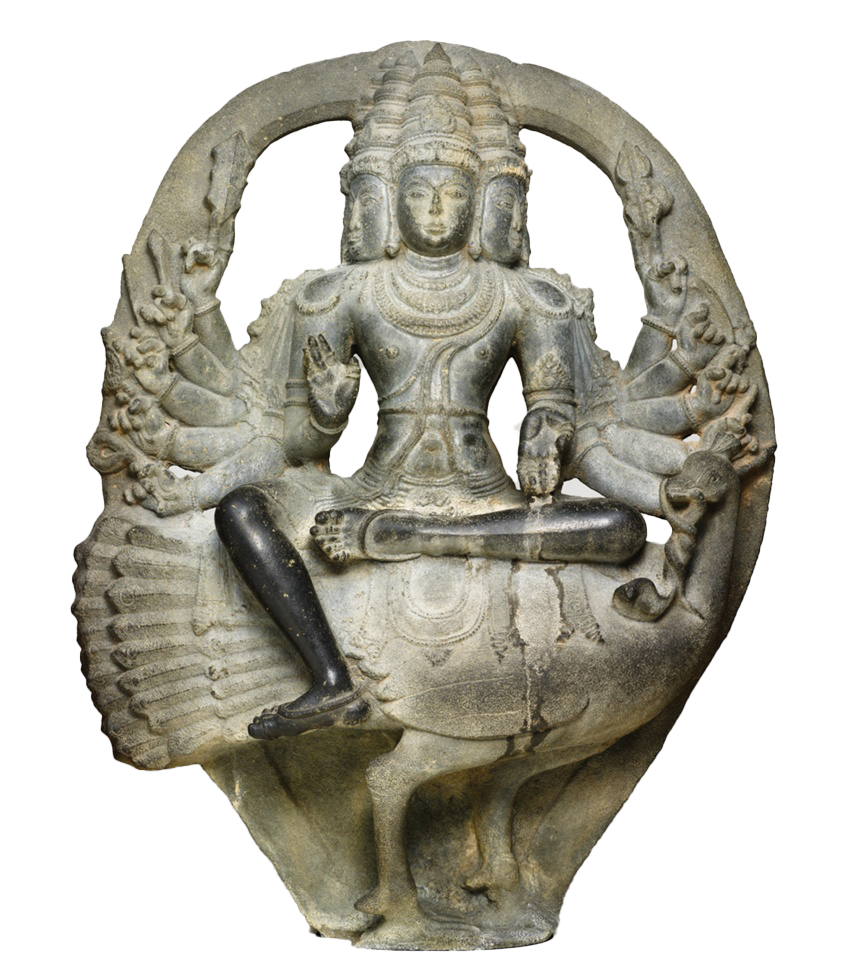
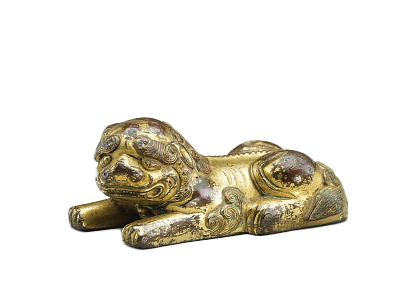
Walk past the glass doors into the Art Institute of Chicago, and the first thing drawing your attention is a staircase leading up to exhibits featuring eras of European art. However, if you turn left, you’ll find the less-trafficked, brightly-lit hallway of the Arts of Asia exhibit.
For many museum visitors, this exhibit is just a passageway to the Impressionist and Medieval European galleries on the other side. They miss out on the Art Institute’s extensive selection of art from across the Asian continent, including the recent introduction of “Paradise Lost” by Kashmir-raised artist Raqib Shaw. The piece is a stunning 100-foot wide series of panels depicting Shaw’s interpretations of paradise.
Still, the museum’s most prominently featured works are primarily European. Of the 14 pieces included in the museum’s self-guided “Essentials” tour, 10 are from European artists or American artists of European descent. Only two are from the Arts of Asia exhibit.
Students, professors and curators are reconsidering how Asian art is presented in museums and viewed in scholarship. Through targeted coursework and restructured museum exhibits, they work to challenge the Western bias that deprioritizes and decontextualizes traditional Asian art.
Much of this work begins in museums, where most people first encounter traditional Asian art up close.
Within current exhibits featuring Asian art, assistant professor of Art History Yuthika Sharma says individual pieces can feel decontextualized if not framed correctly. For example, a statue that was originally part of a larger shrine in a temple might feel jarring in a museum display case.
This phenomenon is something museums and curators are trying to rectify by providing the architectural and cultural context of when the pieces would have been created, Sharma says.
However, providing that context in a way that feels digestible to the viewer is the biggest challenge for museum curators.
“You’ve lost someone after the first seven or eight words of a label,” says Madhuvanti Ghosh, a curator at the Art Institute. “There’s no point putting huge amounts of information. You really have to work very hard to give the key message in the most beautiful but succinct way.”
In addition to the context given about art pieces, assistant professor of Art History Thadeus Dowad says that the way exhibits are labeled also needs improvement to recognize the diversity of Asian art. Dowad studies the Middle East, including places like Syria, Lebanon, Jordan, Qatar and Egypt. He says there is currently a push within the art community to reconsider the vernacular used to describe the Middle East.
“[The term] was an artifact of the mid-20th century, and raises a lot of questions,” Dowad says. “Middle of what? East of where? Scholars today are actually kind of trying to put this term to bed and refer to this region as West Asia.”
Dowad says the seemingly small shift from the Middle East to West Asia has “big ramifications” for how West Asian art is studied relative to the rest of the continent.
The region is currently viewed as a “discrete cultural and historical unit,” Dowad says. “Changing the term to the broader West Asia would open avenues to consider broader influences between different Asian cultures.”
Revising how Asian art exhibits are labeled and contextualized in museum spaces can improve how visitors interpret and engage with these works, he says.
As part of the seminar, Chavey says students in the class studied pieces mainly commissioned by the British East India Company in the late 18th and early 19th centuries. Chavey studied and wrote an essay about miniature mica pieces created by an unknown Indian artist. In the classroom
Sharma encourages her students to contextualize Asian art pieces through their own research to gain a deeper understanding of its history than they would by passing through a museum exhibit.
This past Winter Quarter, Sharma taught Art History 395, a seminar at the Block Museum of Art. During the course, students collaborated to write labels for the physical exhibition, design object placement and put together a website. The exhibit, Displaying Empire, is on display at University Library until June 14.
Students examined art produced by both local Indian artists and British officers during colonial periods from the University Archives and NU’s Charles Deering McCormick Library of Special Collections. Weinberg fourth year Louis Chavey took the class with Sharma. As part of the seminar, Chavey says students in the class studied pieces mainly commissioned by the British East India Company in the 18th and early 19th centuries. Chavey studied and wrote an essay about miniature mica pieces created by an unknown Indian artist.
“I picked that one mainly because I was just really interested in pigments, and that work had the most vivid pigments out of the other prints,” Chavey says. “The gist of the argument was that the pigments used in the miniature are a way of subverting fixed colonial tastes.”
In the piece, the unknown artist used indigo and “Indian yellow,” also called “puree,” a pigment celebrated for its clarity and depth. It was originally made from the urine of cows that were only fed mango leaves.
Chavey says these specific colors assert a cultural identity that opposed the British watercolor pigments. The crux of Chavey’s argument was understanding the impact that European and Asian cultures had on one another during colonial times.
His research illuminates the ways that Indian art engaged with and challenged colonial influence, and demonstrates how scholarship on art can center the histories of Asian artists without examining them through a Western lens.
Medill third-year Ashley Kim, who also took the seminar, says having the opportunity to focus on one specific piece throughout the seminar helped her appreciate traditional forms more than when she previously visited museums. For Kim, who also works at the Block Museum, studying Asian art is an avenue for understanding the complex history of the continent.
“The legacies of colonialism are still very much ongoing today,” Kim says. “It’s critical that we consider visual culture as part of a movement towards establishing norms that prioritize non-Western cultures as much as the European canon.”
While there is still work to do to undo the biases created by years of colonial influence, Sharma says the best way to appreciate historical art is by picking a piece in a museum and diving into its history and cultural significance.
However, the problem is encouraging people to visit museums in the first place, Ghosh says.
“Most American children are exposed to the museum because they come as a child,” Ghosh says. “It’s up to us to create enough things for them to keep coming back.”
Seminars like Sharma’s help students engage with Asian art and find reasons to keep exploring.
Kim says that having the opportunity to sit with a single piece of art for an entire quarter and really understand its historical significance was her favorite part of the seminar. It is also part of why Kim studies art history.
“What I love about art history is not only being able to travel back in time, but also being able to travel around the world by researching and analyzing images from those diverse culture,” she says.
In the classroom
In the exhibit