
Singing sexism
Debriefing Bollywood’s storied history of misogyny.
by Shravya Pant

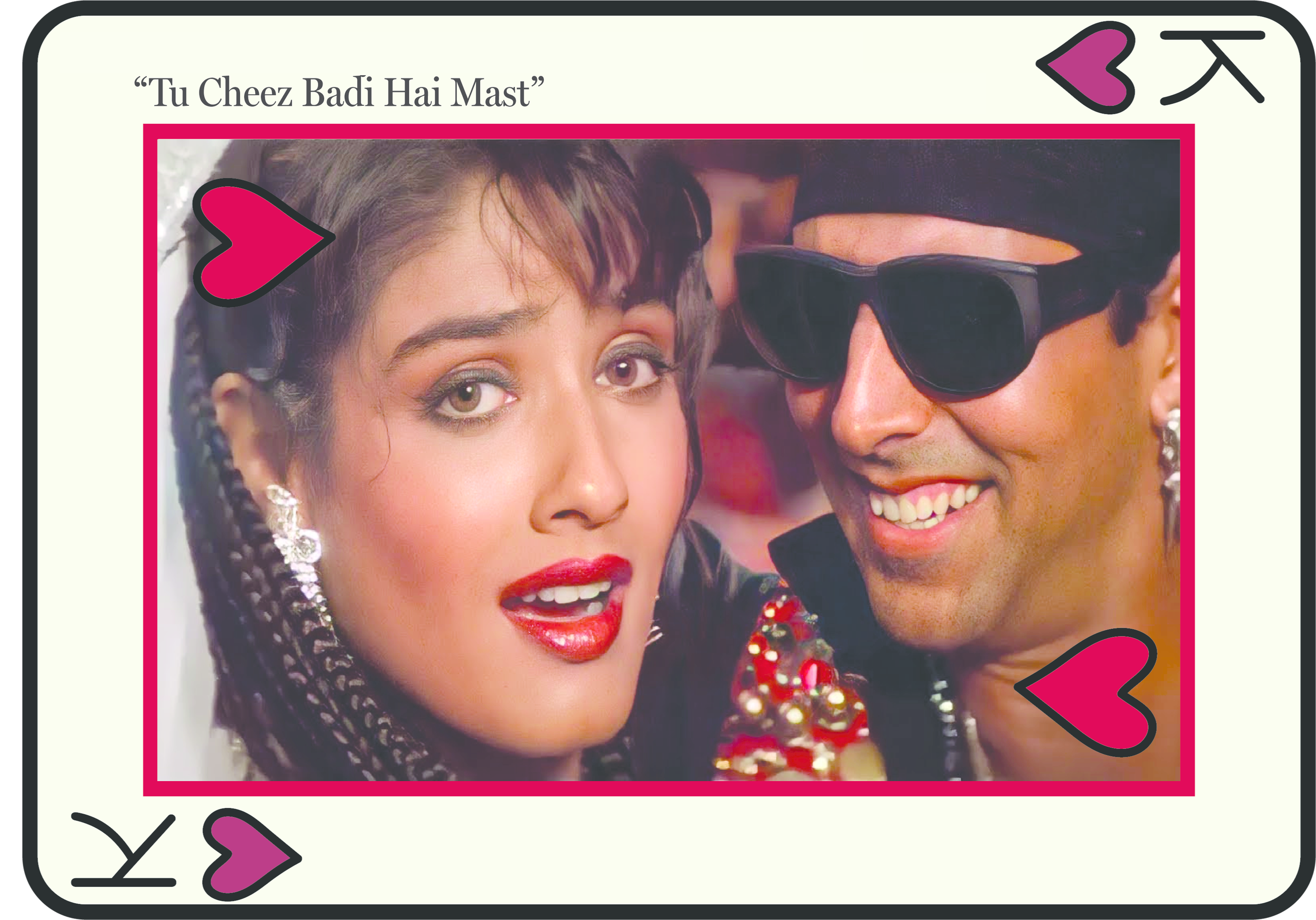
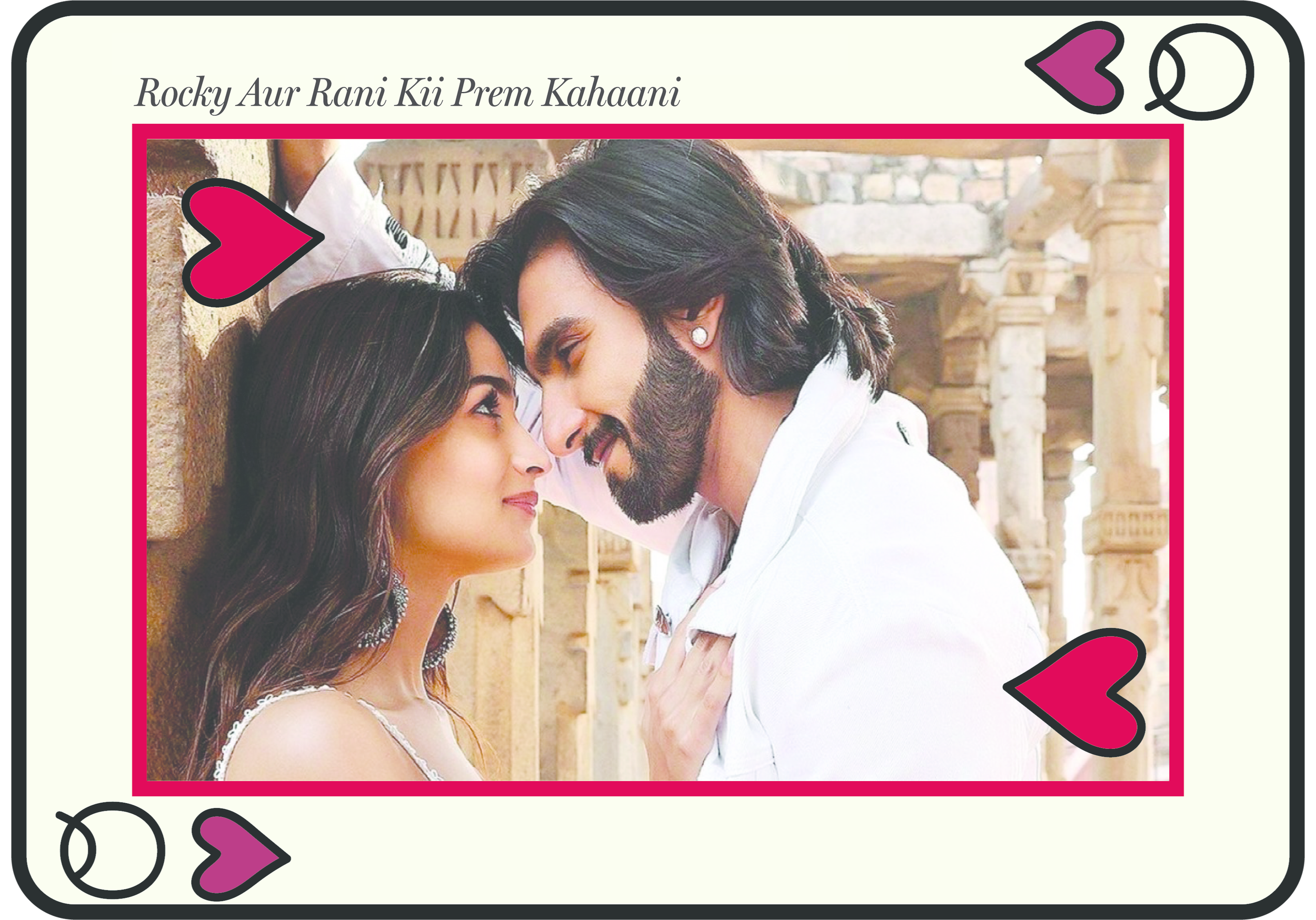
PHOTO COURTESY OF ABP NEWSPHOTO COURTESY OF ABP NEWSPHOTO COURTESY OF RROMANTIC HITS/YOUTUBEWomen twirl in glitzy lehengas, onlookers ogle and a groovy track plays as men attempt to woo their targets with suave lyrics. It’s these colorful choreographies and romantic rhythms — the Bollywood serenades that set box office records. Bollywood has always been about more than just movies. An amalgamation of film, music and obsession with celebrity culture makes it the all-encompassing pop culture industry.
However, these songs and music videos aren’t innocent musical theater. Themes of harassment and objectification run rampant, with a notable lack of consent reflecting the roots of misogyny in Indian culture. Bollywood’s recent shift toward more equitable gender roles has reshaped the dynamics of the musical tradition, although lingering remnants of persisting misogyny feature in even the most recent blockbusters like 2023 film Rocky Aur Rani Kii Prem Kahaani.
A 2023 study from the Tata Institute of Social Sciences in Mumbai examined the deep patriarchal ties in Bollywood. Researchers analyzed nearly 2,000 on-screen characters and found that women only made up 26% of characters, and only one in 10 held decision-making roles. The study found that despite evolving laws against gender-based violence, particularly after the 2012 Delhi gang rape, these gender trends persisted.
Hindi cinema has dehumanized its female characters for decades. In 1994 “Tu Cheez Badi Hai Mast,” loosely translated as “you are a fun thing,” Bollywood superstar Raveena Tandon dances scantily clad to eyebrow-raising lyrics. As male onlookers ogle while the male lead sings, “tu cheez badi hai mast,” they raise their glasses and blow kisses, while the camera pans to Tandon’s hips and seductive panting.
In the mid-2000s, unconventional film Jaane Tu... Ya Jaane Na features a wholesome, friendly serenade in “Kabhi Kabhi Aditi.” The coming-of-age film is about a college friend group that trades the glamorous dance numbers typical in Bollywood movies for a more intimate, quirky tone. The song plays when female lead Aditi is heartbroken over the death of her beloved cat, while her best friend Jai and the rest of their posse whimsically try to raise her spirits. It’s a more personal type of song, as Jai sings to assure Aditi that “everything’s gonna be okay.”
The song expresses an appreciation for her personality and a desire to emotionally connect with her rather than to make sexual advances. It’s remarkable as up to this point in Bollywood, the serenade rarely veered from its typical motif, with one fan on IMDb writing, “there is freshness in this approach.”
Jaane Tu... Ya Jaane Na’s friendly serenade is an anomaly. In 2013, with “Gandi Baat” from R... Rajkumar, we see Bollywood’s misogyny has not escaped the industry. The male lead, dubbed Romeo, becomes beguiled by Chanda after seeing her once. Romeo persistently courts Chanda, despite her declining interests until she gives in.
The trope of wearing down a woman until she accepts romantic advances is fairly common in Bollywood movies. The song’s lyrics recall Chanda’s rejections of Romeo’s courting attempts, after which he decides he is done with manners, and will only talk dirty — “gandi baat.” During the song, Chanda emerges from water in sultry makeup, Romeo’s friend holds two women on him in what is essentially a lap dance and a man forces a woman to kiss him. Chanda eventually acquiesces, saying she also wants to engage in “dirty talk” with him, as if Romeo’s blatant disregard for her consent does not matter.
Two years later, period drama Bajirao Mastani released with a female warrior as the heroine. Mastani and Bajirao, a leader in the Maratha empire at the time, fall in love after Mastini assists him to victory against Marathi enemies. Mastani’s character defies gender norms with her battlefield prowess and her performance of a female serenade “Deewani Mastani.” Mastani keeps her gaze on Bajirao and sings of becoming mad with love, “deewani,” as soon as she sets her eyes on him, “nazar jo teri laagi.”
Bajirao smiles at her throughout her performance, and while Mastani’s performance is for his entertainment, she is the one taking the reins. This female-led serenade, like “Kabhi Kabhi Aditi,” is representative of the possibly changing attitudes in Bollywood around female characters, particularly in a romantic context.
Last year, “What Jhumka?” from Rocky Aur Rani took over TikTok and Instagram in what is undoubtedly today’s most popular Bollywood serenade. Everything from the bright costume colors and dramatic set to the choreography and lyrics is playful. Rocky jokes about courting Rani after he found her jhumka, a bell-shaped earring, on the floor of a market and followed her around to return it. Rani responds by expressing feigned annoyance that he’s following her and says he’s just looking for an opportunity to talk to her. The nature of this song is benign and although Rani isn’t objectified and Rocky seems “playful,” it still maintains stalkerish themes.
These songs and videos seem like something to enjoy with some popcorn and a drink. Looking deeper at these serenades, however, Bollywood reveals much more about the endemic presence of misogyny in Indian society.

PHOTO COURTESY OF LIST OF SUPER HITS/YOUTUBE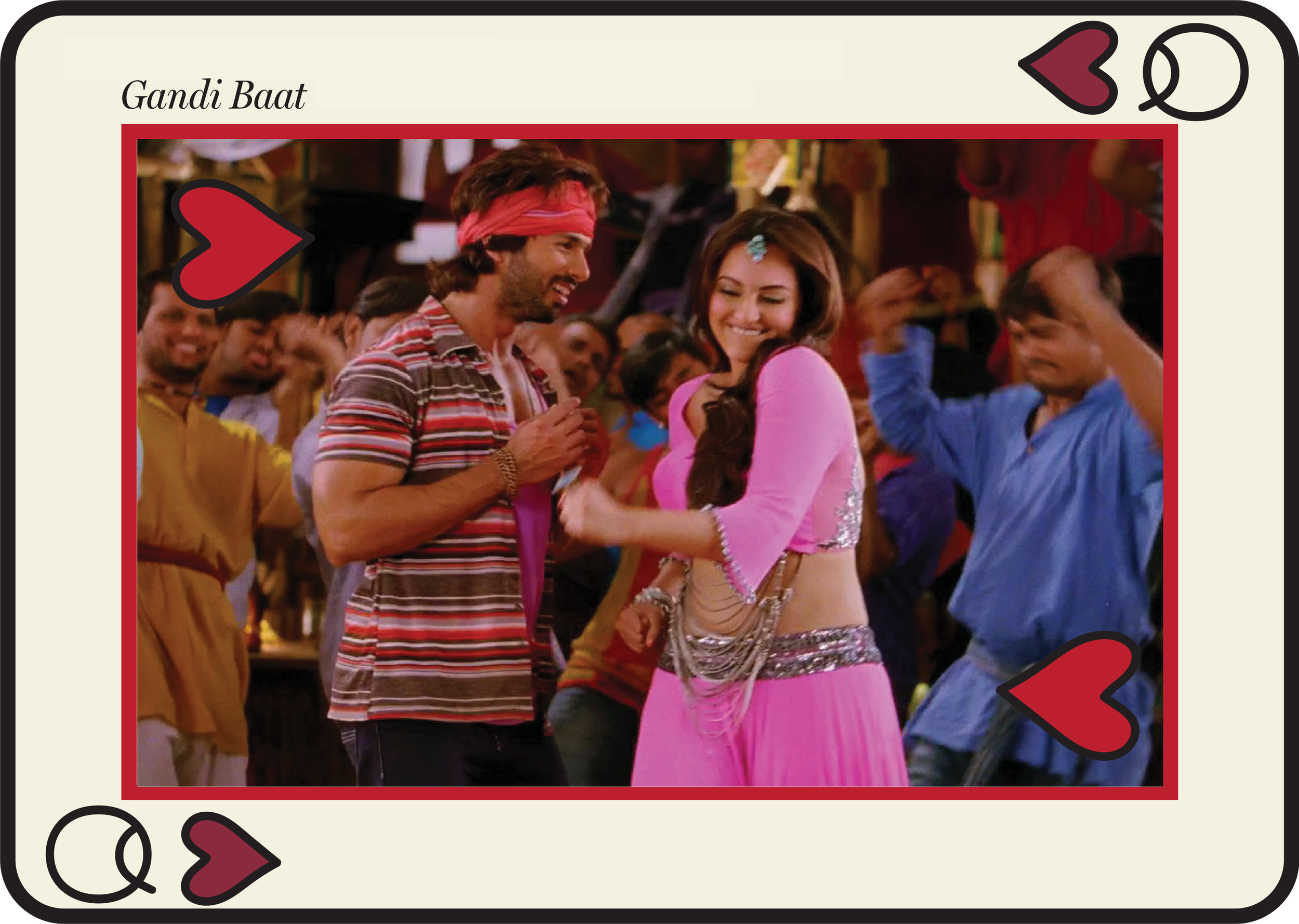
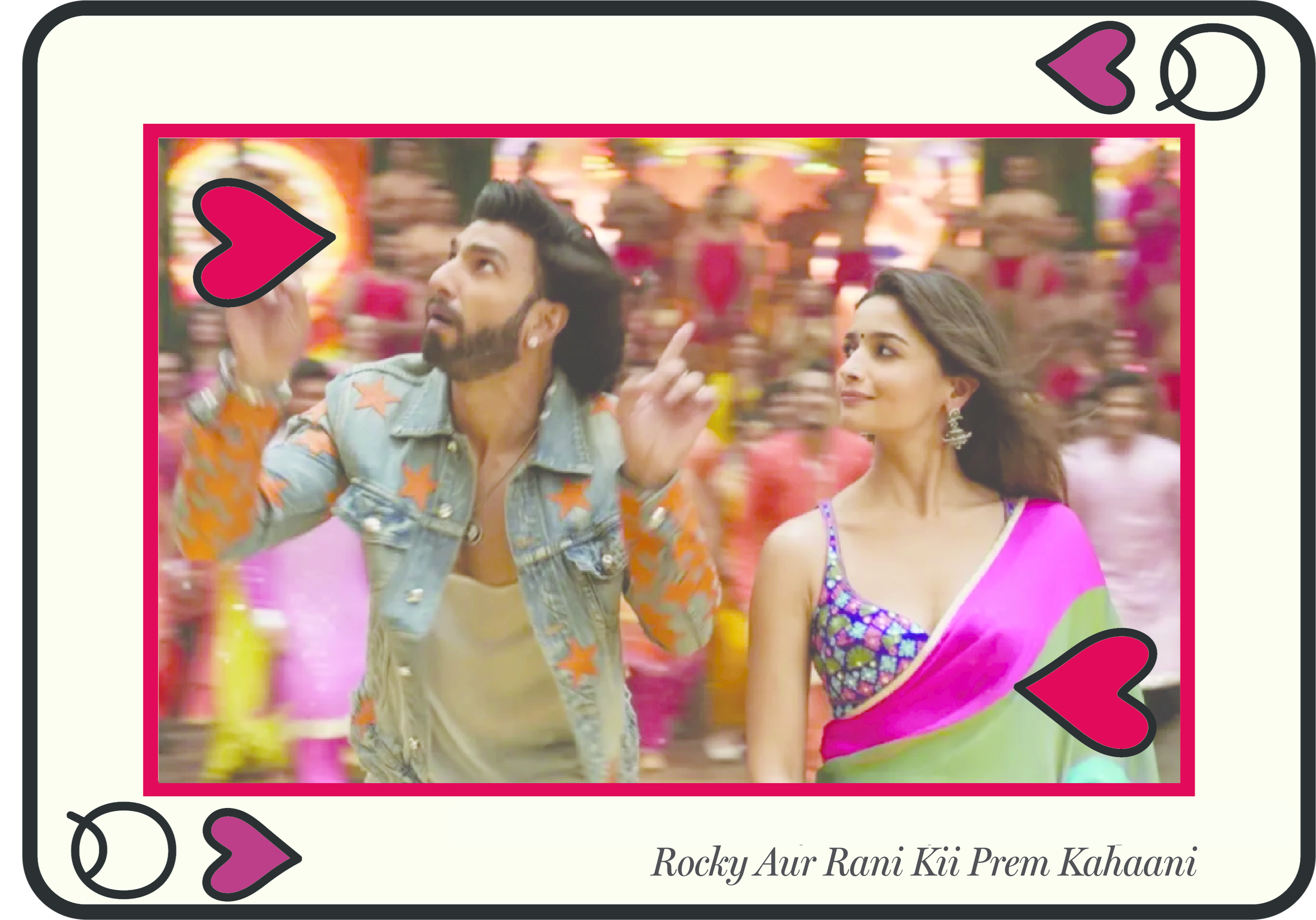
PHOTO COURTESY OF BOLLYWOOD HUNGAMA