Trinkets & treasure
Curating identity through collectibles.
STORY BY GEORGE SUN
DESIGN BY REMY TSUKAHIRA
PHOTOS BY YUSHU WU
In McCormick third-year Nani Pardilla’s living room is a 2-feet-wide, 2-feet-tall shelf built into the wall. It’s filled to the brim with Lego figurines, SKULLPANDAs and handmade clay pieces — they’re trinkets, she says.
“A lot of them are gifts from my siblings or my family or really close friends — stuff that has a story behind it,” Pardilla says.
To others, Pardilla’s collection may look like cluttered chaos. But for Pardilla, each object carries meaning.
Trinkets are becoming more than decoration; for many NU students, collecting these small, often inexpensive objects is a way of conveying personality and remembering moments.
For collectors like Pardilla, these items are tied to specific memories and feelings. The trend echoes oshikatsu, a Japanese subculture of supporting idols or fictional characters through collecting buttons, keychains and other tokens. Today, a more expansive trinket culture has spread globally; more young people than ever carry these collectibles.
Pardilla says her trinkets reflect her current and past interests.
She used to collect miniature hedgehogs just because she really liked the animal. When Pardilla travels, she likes to buy small things, almost like a souvenir for the places she’s been. They serve as memory containers, she says.
“I think it’s fun to explain where I got it,” Pardilla says. “I feel like people have so much story behind everything that they do or have.”
Many of the items she chooses to display are tied to specific relationships, which she says are usually from important people in her life.
Her favorite piece is a blue hedgehog made out of glass. The figure was a gift from her aunt, who had been going through a personal struggle and had not seen Pardilla in a long time.
For Pardilla, trinkets are reminders of people and places. The figurines sit on her shelf, welcoming her whenever she returns home, she says.
For others, though, these collectibles don’t stay at home; they’re transported, used and cherished on a daily basis.
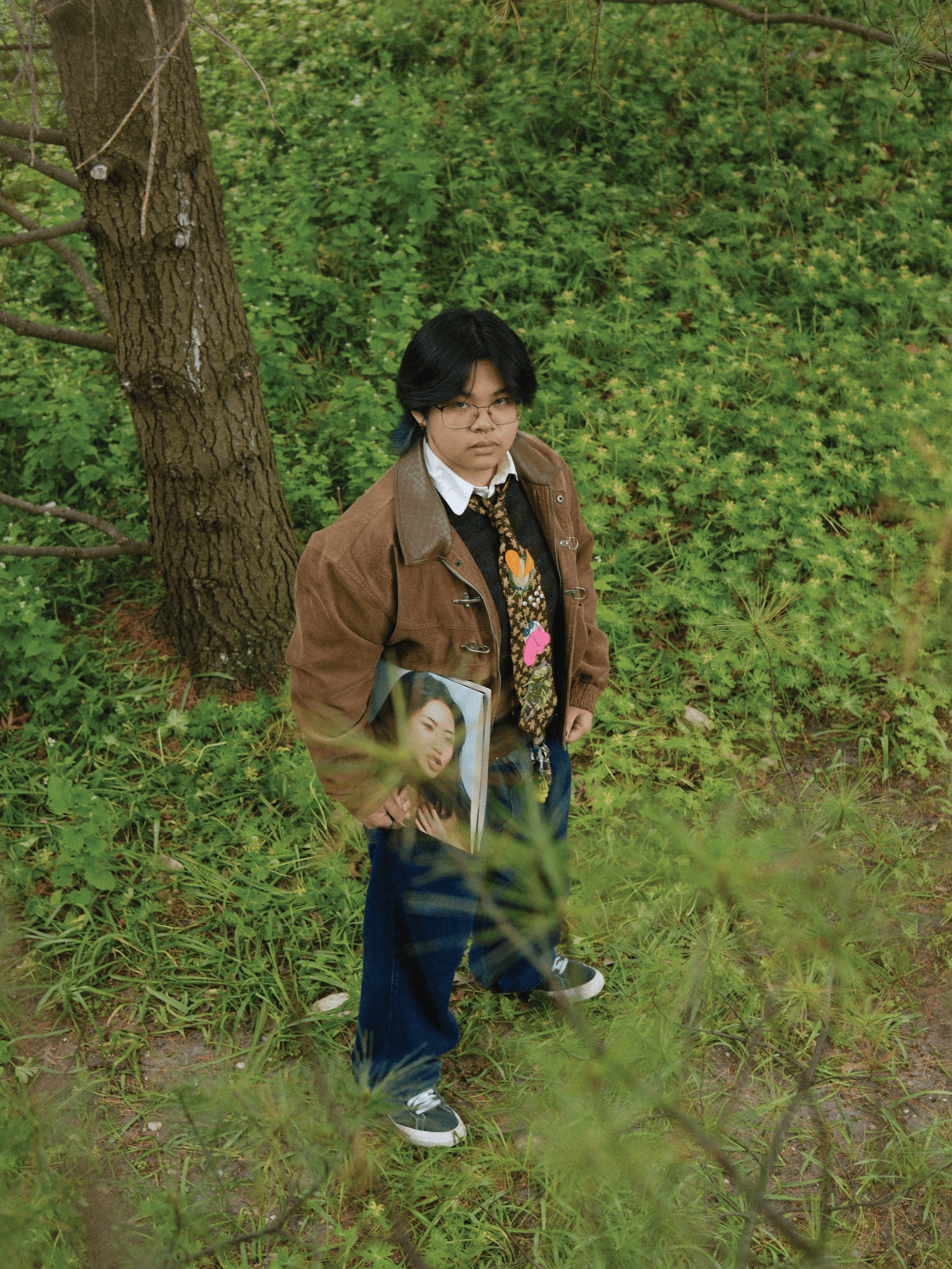
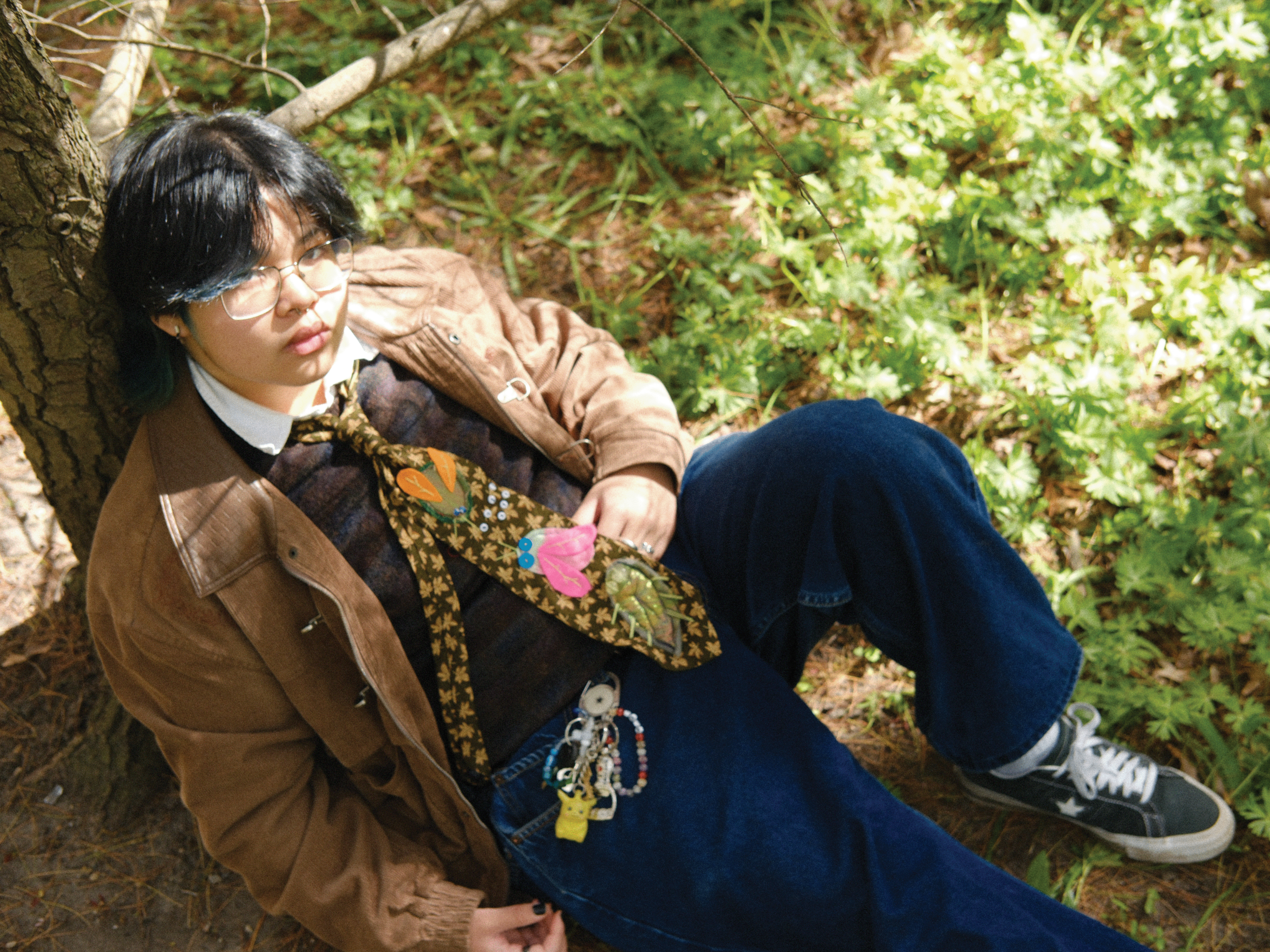
Bienen third-year Madi Bayaca carries a figurine everywhere they go. They say the collectibles act as emotional support, making them feel happy during stressful days of the quarter.
“I usually carry one in my pocket every day,” Bayaca says. “It’s a little, small thing that has added joy throughout my day.”
This effect carries over to their friends too, who feel more at ease when they see a cute figurine in front of them.
For Bayaca, trinkets serve as an extension of their personal identity and shape how others perceive them. As someone who presents more masculine, Bayaca says that people who don’t know them might find them intimidating. Carrying something small and playful becomes a signal of their “soft side,” they say.
But rising prices have made purchasing these collectibles more restrictive. Bayaca says they are more restrained when making purchases; for example, they no longer buy Hironos — miniature characters representing unique emotions sold in blind boxes — simply because prices have increased to over $20 per figurine.
While trinket purchases are often fueled by the desire to own rarer or newer models, Bienen second-year Viveka Saravanan says that the culture isn’t always steeped in overconsumption habits. It’s the personal value of trinkets that matter more, she says.
Saravanan is an avid magnet collector, with over 50 adorning her fridge. Over time, this hobby has become collaborative. When friends and family visit, Saravanan says they gift her magnets, sometimes even handmade ones.
For Saravanan, collecting is a way of expressing who she is. Her magnets serve as extensions of relationships and memories, she says.
“I’m very sentimental, so I would say the magnets reflect how I like to keep experiences with me, and how many experiences shape the way I see the world,” Saravanan says.
Esther Lian and Sydney Gaw contributed to reporting.