
Turn of phrase
How international students are code-switching to assimilate.
I started preschool in a fit of tears.
Everyone around me spoke a language that seemed like a garbled medley of noises. When my teacher asked for my name, I started crying in response, unable to comprehend what she was saying.
Having spent the first three years of my life in China, I felt alienated from my classmates. When my peers grouped together during playtime, chatting away in an unfamiliar language, I yearned to join as I watched them from afar. To adapt, I studied their curt, high-pitched intonations and loud, confident tones, hoping I could adopt their mannerisms and slip into their world.
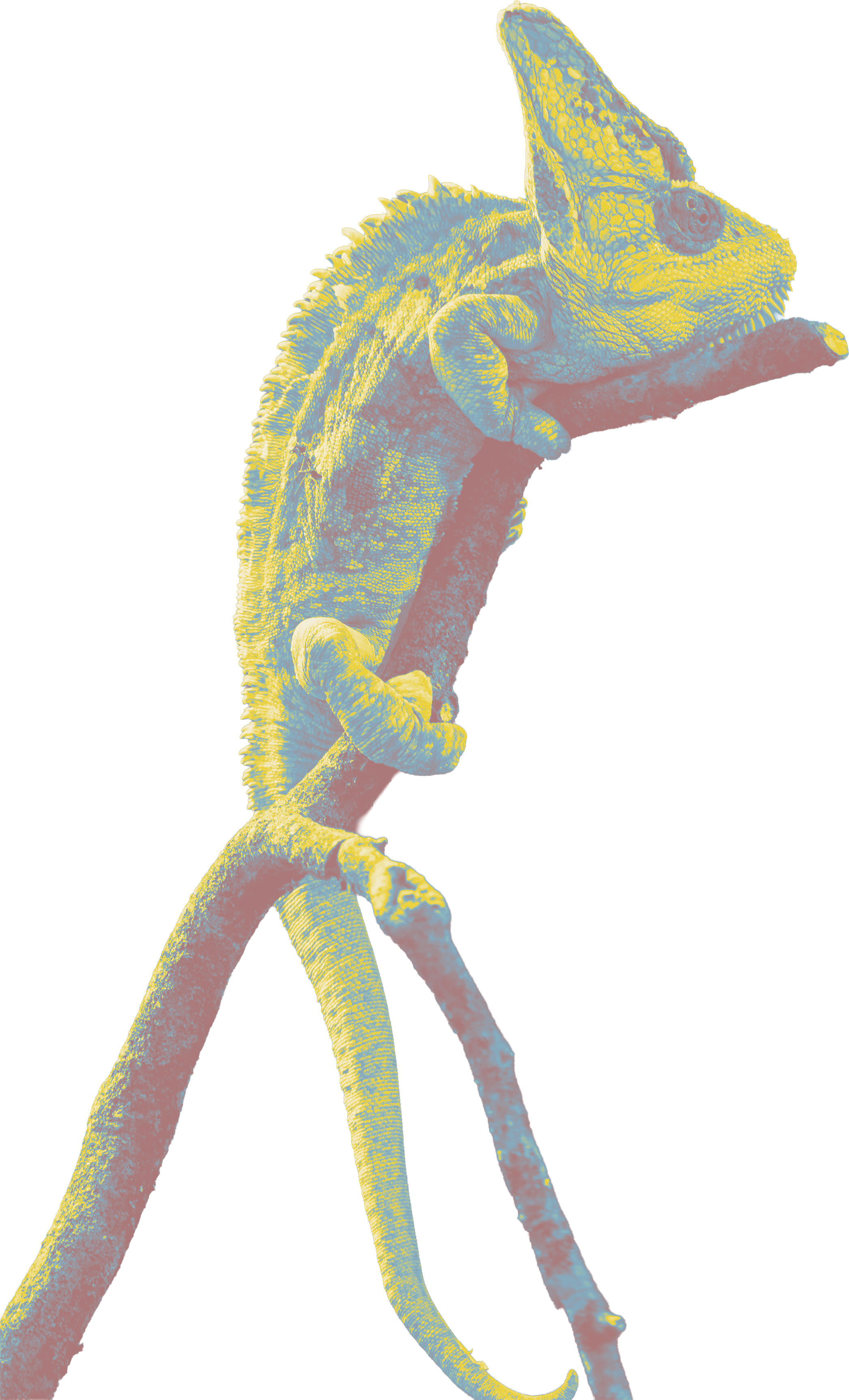
Without knowing it, I was code-switching: adjusting my language and behavior to fit into a dominant culture. To me, it was a survival mechanism. I was shifting like a chameleon to blend into this new environment.
International students make up 13% of the class of 2028, according to the NU Office of Undergraduate Admission. For some, adapting to a new landscape involves code-switching, consciously or not.
Cultural differences between the U.S. and a student’s native country can influence their behavior. Weinberg second-year Emily Kong, who is from Beijing, sees a contrast between American and Chinese conversational norms. From her experience, Chinese culture places less emphasis on outward energy than American culture, she says.
“When I’m engaging with Americans, I tend to be a little more extroverted,” Kong says. “But when I’m with international students, I cannot be that talkative, and it’s still fine.”
Other students notice similar differences. Weinberg first-year Hana Chen, who is from Shanghai, says that American students are more outgoing than her high school classmates.
Chen interacted with students from a wide range of cultures during the consulting club rush in Fall Quarter. She noticed that she spoke differently with international students and non-international students throughout the process.
Beyond adjusting tone and energy, international students also alternate between languages — a practice known as linguistic code-switching.
Professor of Linguistics Matthew Goldrick says these shifts strengthen connections and foster familiarity among groups. He added that people transition between languages for a variety of reasons.
“Sometimes, they’re switching to help communicate a shared relationship they have with another person,” Goldrick says. “Other times, they’re code-switching because it’s hard to find words in one language, or because certain aspects are better communicated in one language.”
Goldrick researches language processing in multilingualism. He says that moving fluidly between languages helps reinforce bonds an individual might have with other members who speak the same two languages as them.
Students use language fluidity to adapt to the spaces they move through. Switching between languages helps History doctoral student Ziyana Fazal navigate different social contexts.
“My native language is Malayalam,” Fazal says. “That sort of linguistic identity gives me a better, easier way to communicate with people.”
For others, this fluidity shows up through blending languages.
Chen often speaks in “Chinglish” — a mix of Mandarin and English — when talking to fellow Chinese international students.
However, not everyone views this fluidity positively. Kong says she’s aware of backlash from Chinese social media toward students who mix languages, but she disagrees with the notion that linguistic switching is performative.
“People hate when international students use Chinese and English interchangeably,” she says. “They’re like, ‘You’re just showing off,’ but that’s not true. There are certain words that define themselves better in an English context, so we’re just saying whatever that word means in that context. I think it’s a totally normal thing.”
For years after moving to the U.S., I was a critic of my own code-switching. Every time I talked to my peers, I felt as though I was presenting an inauthentic version of myself curated to fit into the American lifestyle. But now, I don’t see code-switching as discarding my Chinese culture for American culture. Instead, it is a way of blending both to communicate more effectively.
Chen describes this sort of shift as “inevitable” when navigating life between cultures.
“If you’re in a new environment and everything’s different culturally, you’re going to act in a certain way that’s different,” she says. “I feel like code-switching helps people adapt.”
Similarly, Goldrick says linguistic flexibility showcases versatility and strength.
“It’s wonderful that people can feel creative with their language,” he says. “People should be proud of their ability to code-switch. It’s a really amazing ability that humans have.”

STORY BY ISABELLA LIU
DESIGN BY JASMINE ONG

“That sort of linguistic identity [speaking Malayalam] gives me a better, easier way to communicate with people.”
— Ziyana Fazal, Graduate student, History department
“People should be proud of their ability to code-switch. It’s a really amazing ability that humans have.”
— Matthew Goldrick, Professor of Linguistics
