K-ultural appropriation
K-pop blurs the line between inspiration and exploitation.
by Ina Choe


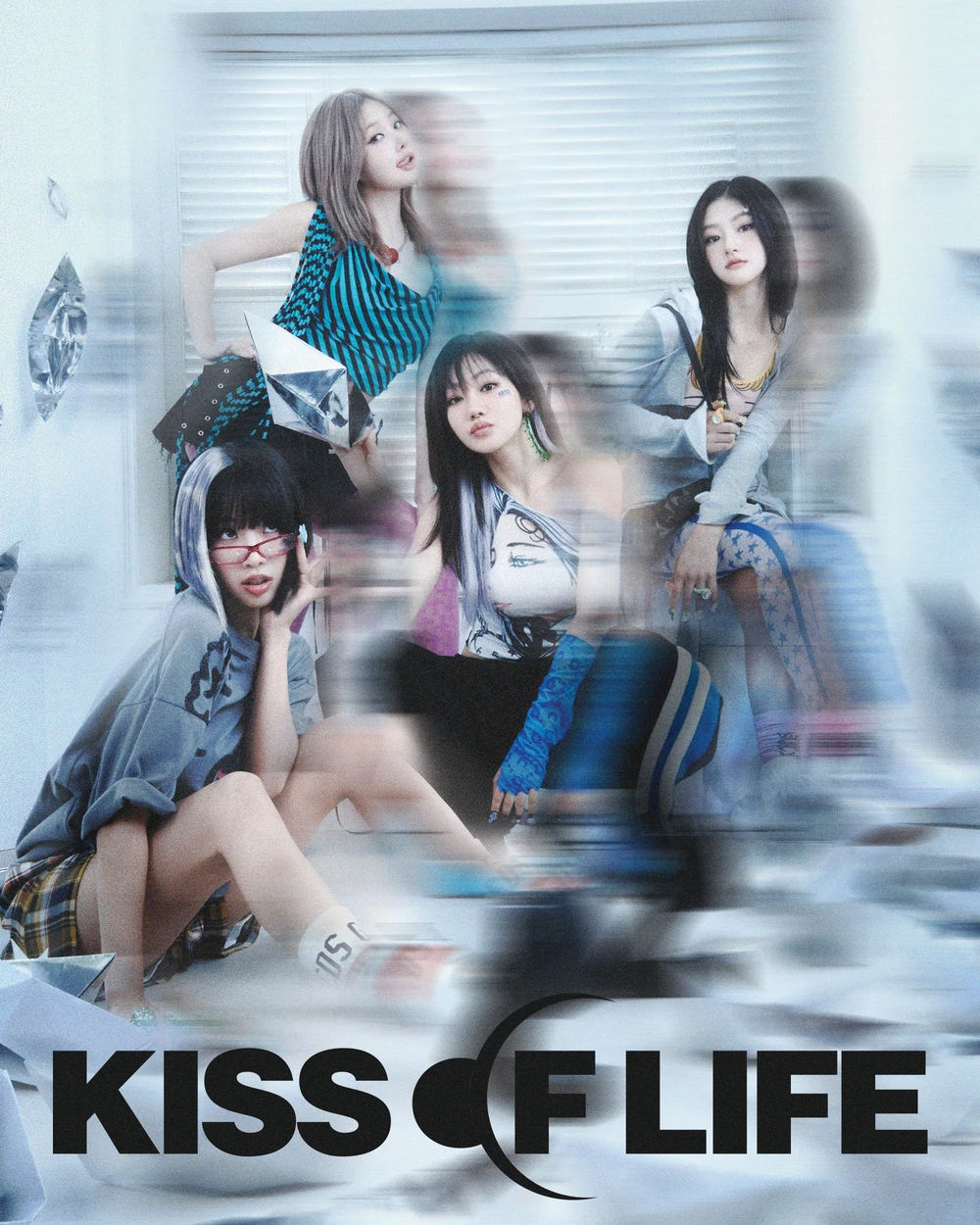
After their explosive debut into the K-pop scene, winning “Rookie of the Year” at the 2024 Korean Music Awards, K-pop girl group Kiss of Life gained huge praise from both Korean and international fans for their unique and powerful concept.
But with one Instagram livestream, Kiss of Life would derail their rise to fame.
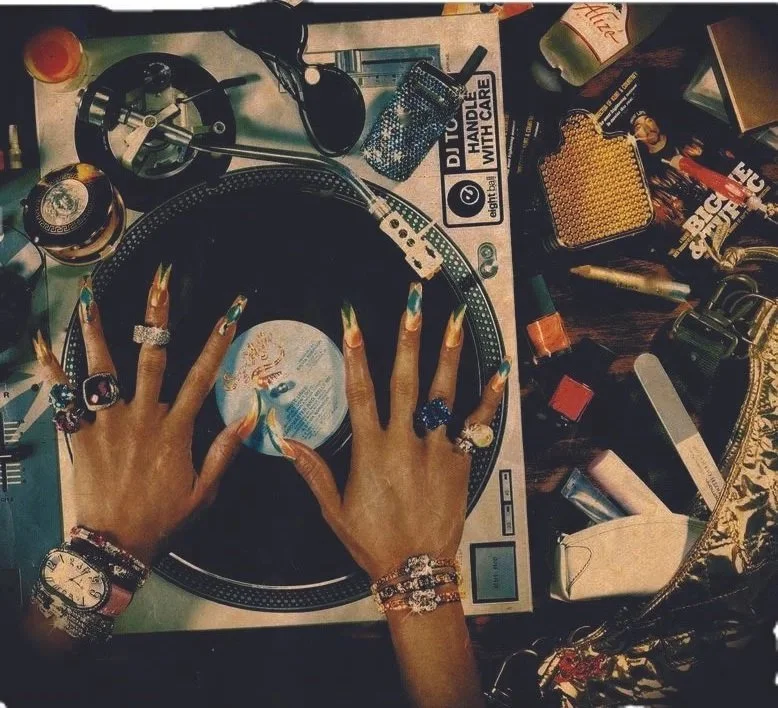
In April 2025, the group hosted an “old-school hip-hop” style birthday party for one of their members, Julie. The livestream featured them sporting oversized gold chains, snapback hats, cornrows and hoop earrings. Members Belle, Natty and Haneul took on “rapper names,” becoming “Lil Taco Belle”, “NT” and “Bob Sky”. The party, clearly referencing Black hip-hop culture, was streamed on YouTube and quickly went viral.
Simultaneously, Weinberg third-year Jasmine Guo was rehearsing a Kiss of Life dance cover for Northwestern K-Dance’s Spring Showcase. However, the piece was cut from the show after the birthday party livestream.
“Personally, it sucked because it was a lot of effort that was wasted, but I do think that K-Dance made the right decision in not letting this piece in,” Guo says.
Kiss of Life’s controversial livestream is one of many incidents where a K-pop group has been accused of mocking, stereotyping or commodifying other cultures — in other words, cultural appropriation. Using African American Vernacular English (AAVE), styling feathered headgear, wearing bindis and saying the n-word have been common cases in the industry.
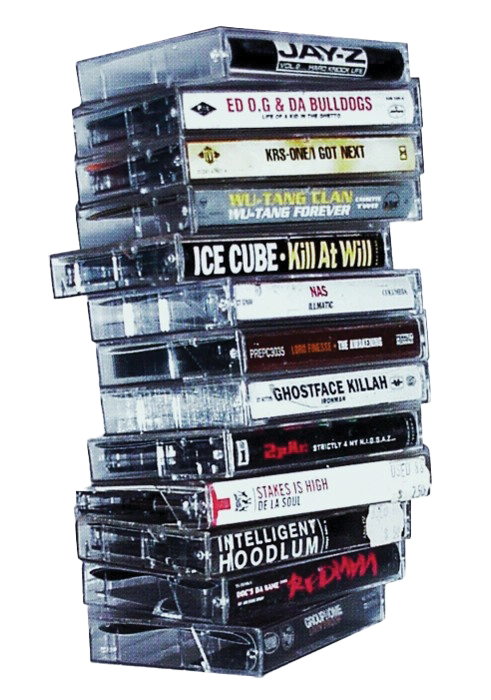
While cultural appropriation has become more visible after the globalization of the genre, the issue has been present since the first generation of idols. Much of K-pop’s origins can be traced to Black culture. Seo Taiji and Boys, widely considered as the first K-pop group after their debut in 1991, drew inspiration from Western hip-hop, rap and R&B.
According to Annabel We, assistant professor of Korean Literature and Culture, K-pop entertainment has been playing a risky game of “tug of war” between balancing the global consumer appeal and the offensiveness of K-pop material.
“There is a big meta-narrative about catching up with and consuming American culture, and even consuming hip-hop and R&B as ‘American things,’” she says. “The messaging and history gets erased, and all that remains is the visual and aesthetics of it.”
The difference between taking inspiration from other cultures and appropriating them is a clear but fine line. Appreciation involves having the proper knowledge to respectfully honor another culture, while appropriation comes from action without understanding, which can perpetuate stereotypes and power imbalances.
“For me, it’s really about the intention behind it,” Guo says. “Are you doing it to profit off of whatever this will bring — that’s appropriation — rather than appreciation, which is about understanding where these things come from and why the people who belong to the culture wear or do these things.”
With the globalization of K-pop, international fans have been revisiting previous K-pop content and calling out artists for their blatant disregard for cultural appropriation.
One example comes from girl group BLACKPINK’s pre-debut videos, where three of the four members are shown saying the n-word while singing and rapping. Certain fans considered this ironic, as some members of BLACKPINK grew up in English-speaking countries, and the group is commonly credited with globalizing the genre.
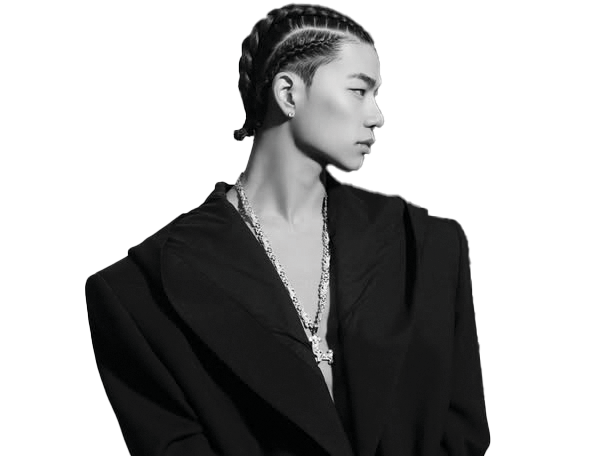
The topic of cultural appropriation has become a contentious debate more recently due to controversy over co-ed group AllDay Project’s Tarzzan using hip-hop culture in his rap style and fashion choices. Since their debut, AllDay Project has faced criticism for Tarzzan’s lack of awareness when wearing braids and grills, clearly influenced by Black culture.
The example of Tarzzan shows how, even after artists are criticized for their appropriation, the issue of exploitation in K-pop remains. According to We, this is because culture has become monetized, and these incidents are profitable for entertainment companies.
However, certain groups have responded to criticism with attempts to fix their behavior. BTS, the boy group that broke records in international recognition in K-pop, serves as an example of trying to right their wrongs as they received more global audiences.
Starting as a hip-hop group, BTS received training from Black rappers Coolio and Warren G., and their influence was significant in the group’s music and styling. Earlier in his career, BTS’s leader RM frequently used AAVE and said the n-word during a rap performance. His controversial use of Black culture also appeared in BTS’s song “If I Ruled the World,” where RM sang the lyric “Westside till I die” — a phrase coined by West Coast hip-hop musicians.
However, RM has since taken accountability for his actions by crediting Black culture as his inspiration. Regarding his lyrics in “If I Ruled the World,” RM apologized in a 2015 interview with Korean hip-hop media platform HIPHOPPLAYA. “Further than a mistake, it was a wrong,” he said.
BTS also donated $1 million to the Black Lives Matter movement in June 2020. While these actions don’t excuse their previous wrongs, they demonstrate a step in the right direction that starts with taking accountability.
“For me, it’s become more of a responsibility of the artist to acknowledge these things,” Guo says. “But I also understand that sometimes the politics of K-pop can be confusing or difficult and artists sometimes don’t have free will to do what they really want to do.”
The main problem that artists, fans, and corporations should consider is not deciding whether something is appropriation or appreciation. Rather, We says that it is more important to ask questions like, “Why are the larger histories and contexts getting erased? What motivates industries to do this? Why do they think fans want that?”
At NU, Guo says that she’s observed more appreciation of different cultures, especially appreciation of Korean culture through dance.
“All of these people really like K-pop for the music, the dance, the culture,” she says. It’s really great to have people of different cultures come together and appreciate something.”