Strength in Numbers
During her junior year at NU, community activist at Asian Americans Advancing Justice | Chicago Ellen Zhou sat in on an Introduction to Asian American Studies class. She didn’t know what to expect.
Looking back, Zhou says that the class gave her a “framework” to find answers, as she explored her identity as a Midwest Asian American.
“It was hugely transformational, and I think some of the questions I was wrestling with in freshman and sophomore year of college around identity and what I should be doing with my life got answered in that class,” Zhou says.
Towards the end of her time at NU and into graduate school, Zhou joined legislative campaigns for the Teaching Equitable Asian American Community History Act, or the TEAACH Act — Illinois’ first mandated Asian American history curriculum — and later joined Advancing Justice | Chicago full time as an immigrant justice community organizer. Now, as deportation efforts escalate under the current administration, community organizers like Zhou work to advocate for local populations.
In September 2025, Operation Midway Blitz targeted Chicago’s Little Village neighborhood and other racial enclaves in the city. The operation, led by Border Patrol Commander Gregory Bovino, detained thousands of people, most of whom were Mexican nationals.
However, Asian Americans and Pacific Islanders (AAPI) were among the racial groups targeted as well.
ICE arrests of AAPI people from Jan. 20 to mid-October were nearly four times higher under President Donald Trump’s administration than during the same period under President Joe Biden in 2024, according to data Stop AAPI Hate obtained through a Freedom of Information Act request.
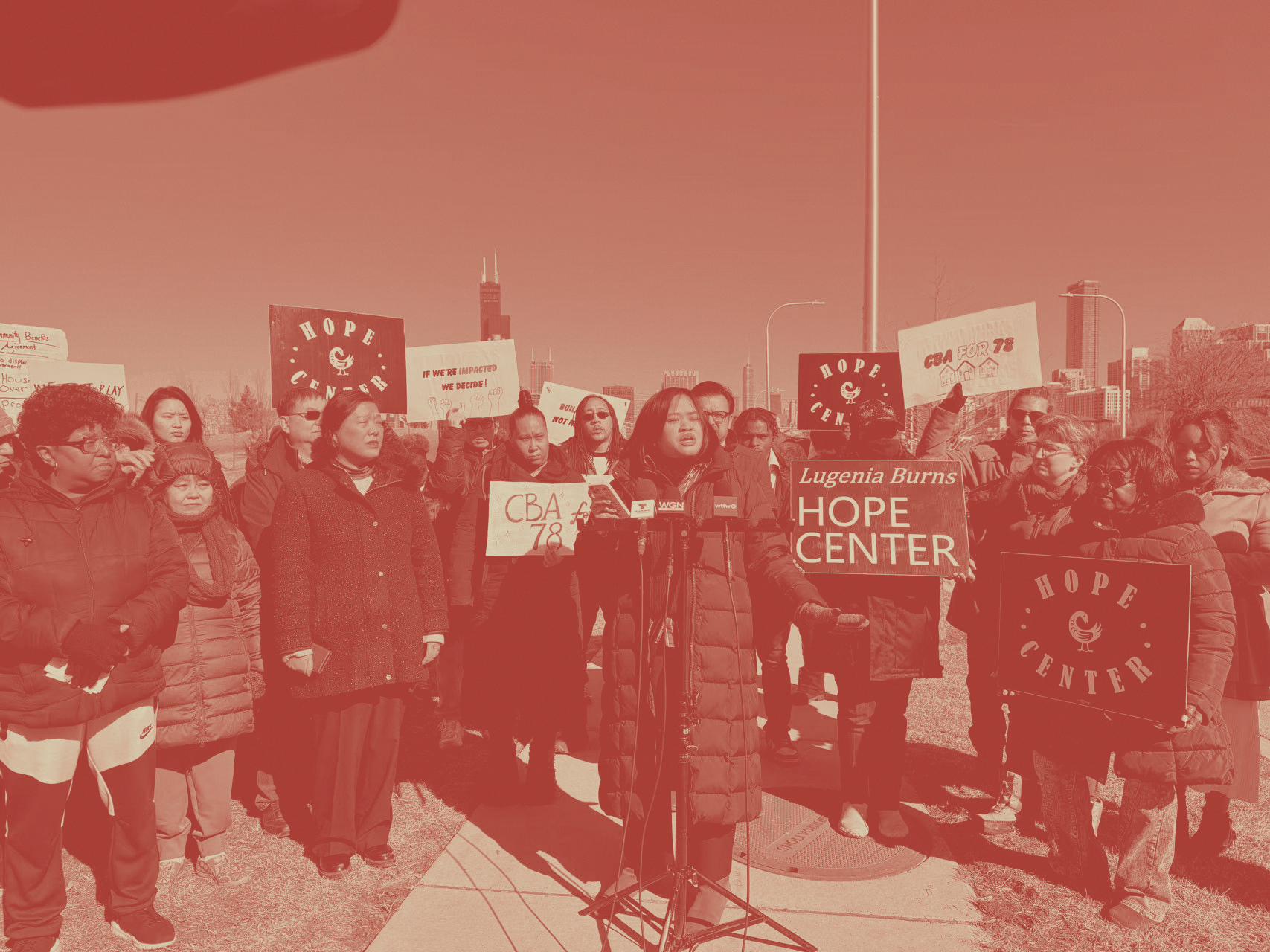
To prevent misinformation, Zhou says Advancing Justice | Chicago started distributing Know Your Rights cards with the Illinois Coalition for Immigrant and Refugee Rights, which includes a hotline for rapid response. The organization also anchored a rapid response team in uptown Edgewater to verify ICE sightings following Trump’s Inauguration Day.
The team has evolved into the Northside Lakefront Rapid Response Team, which Zhou says covers four of Chicago’s Northside neighborhoods.
“It’s about standing up for what you care about and showing up in a small way every day,” she says.
Similarly, Sarah Tang, the director for programs for Coalition for a Better Chinese American Community (CBCAC), says the organization set up a Chinese-language helpline and other bilingual resources following Trump’s inauguration in 2025. CBCAC is also offering legal and financial support to families of detained individuals.
Tang says Chinatown fosters a sense of belonging to many. She says she finds comfort in the grocery and herbal medicine stores, and hearing Cantonese spoken around her.
“My own sense of self-care, mental health, sense of safety and peace comes from the people that make Chinatown possible,” Tang says.
However, Tang says she’s seen Chinese families torn apart when immigration enforcement detained the family’s breadwinner. There was also an increase in predatory scams, and some even chose to self-deport, she says.
Zhou says many Asian Americans didn’t see themselves as potential targets until Operation Midway Blitz.
“A lot of times in the immigration conversations, Asians aren’t always seen as a vulnerable group of people, even though we are,” she says.
Despite these misconceptions, deportation enforcement is not a new threat. The Department of Homeland Security, the organization that oversees ICE, was created in response to the Sep. 11, 2001 attacks with the goal of preventing terrorism. Additionally, deportations spiked under the Barack Obama administration, with more than three million people deported, according to NPR.
“Deportations are not a new thing, but the scale and the level and desire of not just deportations, but also the number of folks they want to detain, is different,” Zhou says.
Anti-ICE activism efforts led by AAPI community organizers are not limited to Chicago.
Lily Murakami Ng, who works for a local support network called Sanctuary Evanston, says the organization has grown to around 1000 volunteers willing to help in various ways, from aiding people in court procedures to biking around on patrol. Along the way, she says she’s gotten to know some new elderly friends.
“We have a lot of older adults, like people who are retired. They’re like, ‘Okay, well, I have some more time on my hands, so I would like to help out,’” Ng says.
Ng’s high school friend introduced her to Sanctuary Evanston, where Ng found people she already knew were engaged in the organization. Now, Sanctuary Evanston has become a core part of her identity.
Ng attended Evanston Township High School and completed her undergrad in learning sciences at NU. She is currently pursuing a masters in Technology, People and Policy at NU and plans to stay for a Ph.D. in learning sciences.
The learning sciences program’s focus on community-based research allows her to “dream up alternate futures,” Ng says. “It’s not about producing knowledge within the institution and then saying, ‘You should do this,’” she says. “Instead, there’s a lot of listening to communities, understanding the history, how things are situated and then working together to scaffold opportunities for community members to have more agency.”
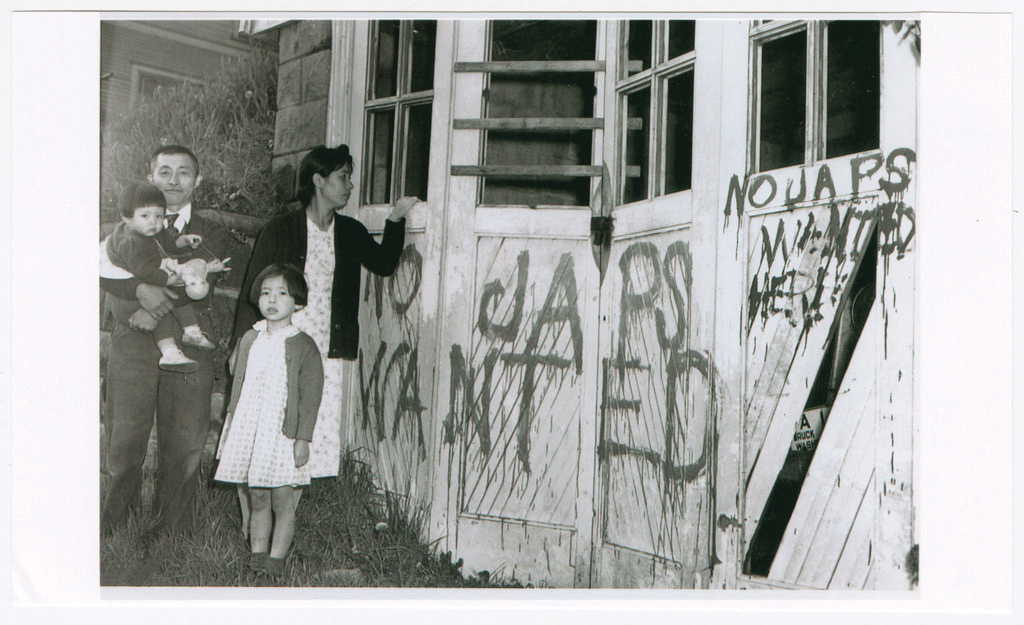
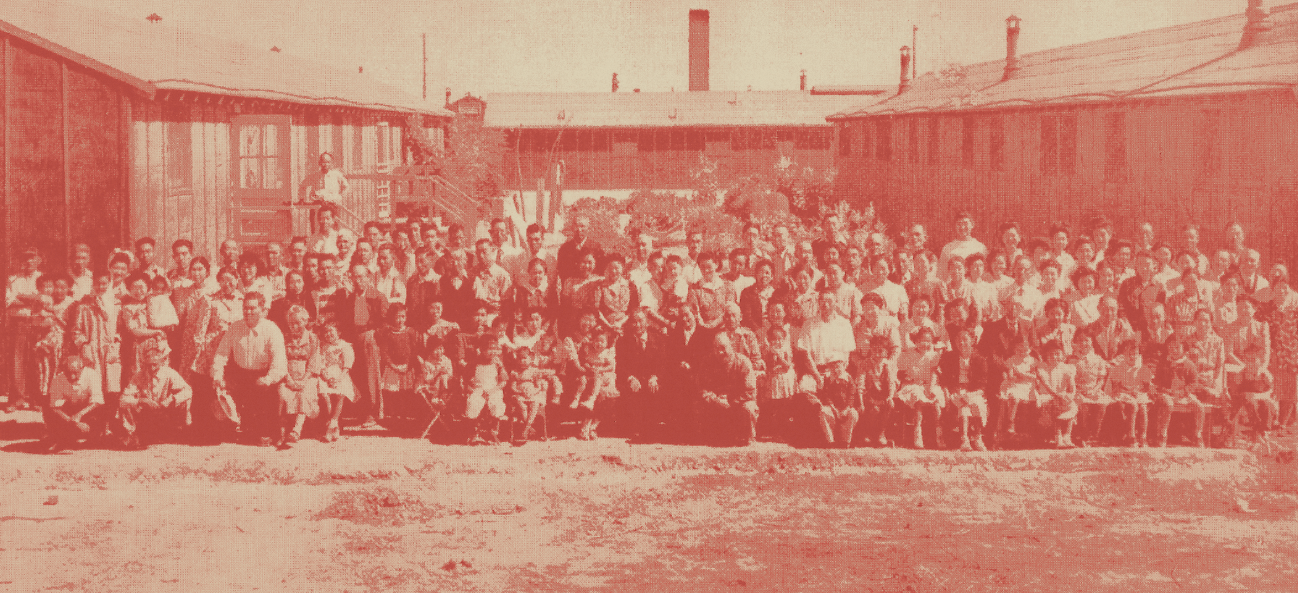
Ng was also influenced by her Japanese American heritage and immigrant background to partake in the work that she does. Having grandparents who were incarcerated during the Japanese American War in World War II makes her feel like she has a personal stake in the deportations.
“It really feels like a lot of echoes of the past,” Ng says.
While NU’s location in northeast Evanston is away from common ICE hotspots around the city’s West and South Sides, Ng says she hopes NU students can stay aware and informed.
According to The Daily Northwestern, Sanctuary Evanston collaborated with several NU student organizations on April 10 to lead an ICE training. The session was titled, “What should you do if ICE Comes to Northwestern?”
“This is definitely not the time to be only staying within the [NU] bubble,” Ng says. “It doesn’t take that much time out of somebody’s day to learn, at the very least, how to react in those situations –– because you genuinely never know what could happen in your day-to-day life.”
AAPI organizers in Chicago and Evanston build networks to mobilize against ICE.
STORY BY RUIXIN ZHANG
DESIGN BY ANNA ZHENG
Countering fear
Sanctuaries under threat
Evanston mobilizes