

Exploring Asian celebrations of love across the calendar.
Save the date(s)
by Jennifer Lee


Walking around Yeonnam-dong, Seoul, I’m swarmed by matching keychains and phone cases, perfectly color-coordinated outfits from head to toe, and designs catered towards couples: movie theater cups with two straw slots, special discounts for couples at stores, and set menus for two. In South Korea, couple culture is hard to ignore.
Weinberg third-year Shoki Matsushima sees a similar pattern in Japan, specifically Tokyo. “There are so many places that younger generations can access because of good public transportation [and] so many things that you can do,” he says. “I just think that dating culture is much more popular, especially in the younger generation.”
Romantic holidays in the United States are relatively limited to just Valentine’s, but that isn’t the case in many Asian countries. The various traditions and holidays may be troublesome for those in relationships who struggle to remember dates, but they also create recurring ways to express appreciation for loved ones.
For example, on Valentine’s Day in Japan, the girl traditionally gifts chocolates to the boy. There are many types of chocolate-giving practices, each symbolizing something different. One type is giri-choco, usually a cheap chocolate like Snickers, given as a gift of gratitude. Another is tomo-choco (literally “friend chocolate”). A third is honmei-choco, given to someone to whom you’re romantically attracted to. The cost and quality increase respectively — honmei-choco is often homemade and thoughtfully packaged.
Following as a counterpart to Valentine’s, White Day is on March 14, when the boy gifts chocolates back to the girl (honmei-choco, if he is also romantically interested in her). This holiday originated in Japan, but has been adopted by other East Asian countries like South Korea. SESP second-year Joey Oh says the combination of White Day and Valentine’s Day means two-way gift exchanges are becoming increasingly normalized in South Korea.
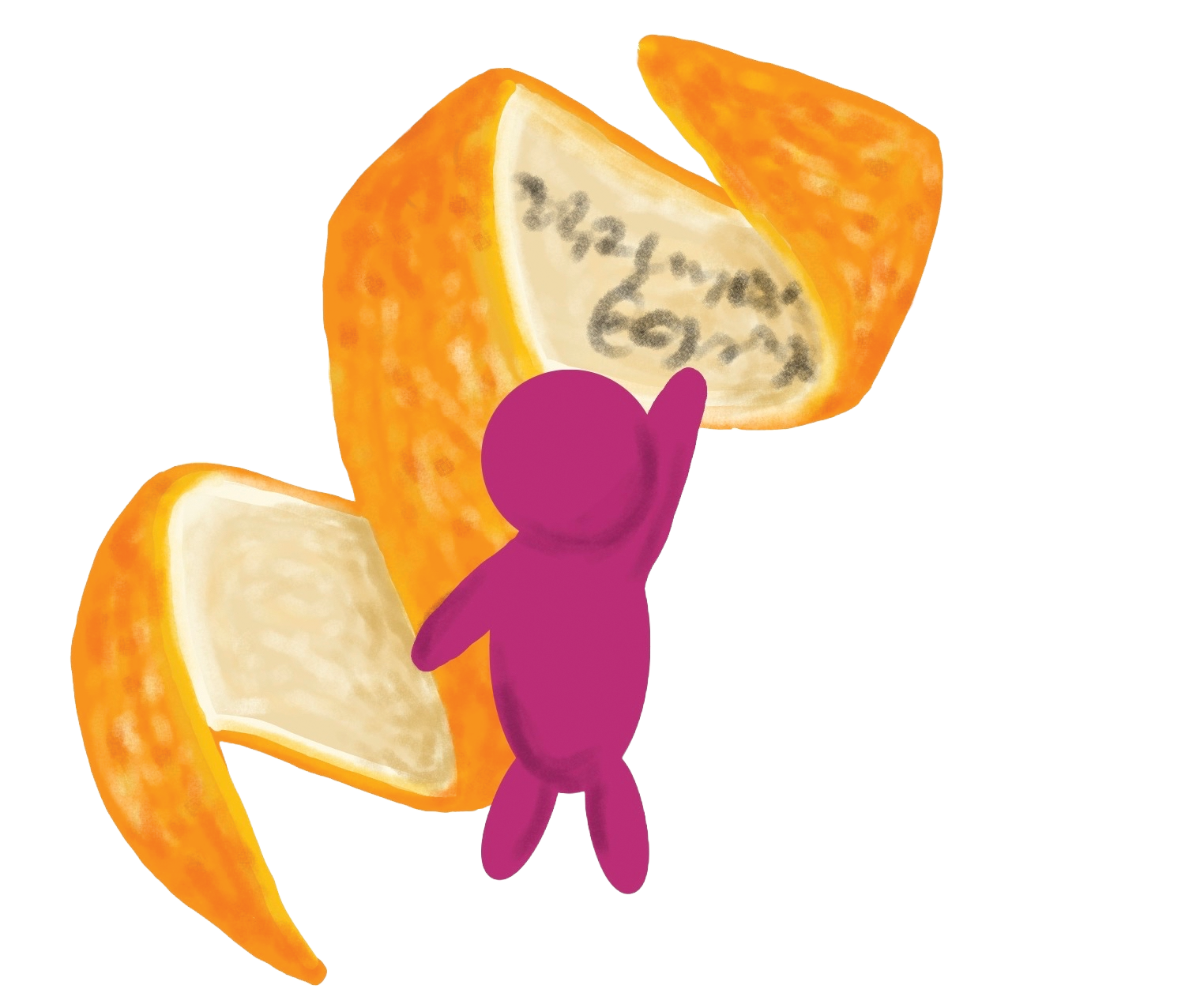
A smaller tradition: In Penang, Malaysia, many single women write their contact information or social media handle on mandarin orange peels. They throw them into rivers for Chap Goh Mei (the last day of Chinese New Year) in hopes of someone retrieving it.
Many holidays are numerical wordplays of the date. For example, because 520 in Mandarin sounds like “I love you,” couples often exchange gifts and virtual red envelopes on May 20. It’s even a popular day to register for marriage! Additionally, held on November 11 (11/11) due to the resemblance of the “1”s to the Pepero snack (chocolate-coated breadsticks), Pepero Day is one of the most significant days for lovers in South Korea. The holiday also encourages people to express platonic and familial love, often through handmade Pepero.
At NU, the Korean American Student Association (KASA) hosts its own Pepero Day in the form of a candygram-esque fundraiser. Members submit a pre-order form, and the club packages the Pepero with a message to deliver to the recipient.
“It gives a chance for Korean Americans who haven’t been in a surrounding where they celebrate these holidays or know about these fun traditions to get to know when these are and what they hold,” says McCormick second-year Sieun Rhee, a member of KASA’s cultural committee.
Oh says that Koreans are all about making more holidays so the snack companies can profit. Rhee agrees: “I think it’s just funny that they are pretty commercial holidays,” she says. “But I don’t necessarily think that’s bad. It’s just a cute opportunity to give something to your friends or lovers.”